
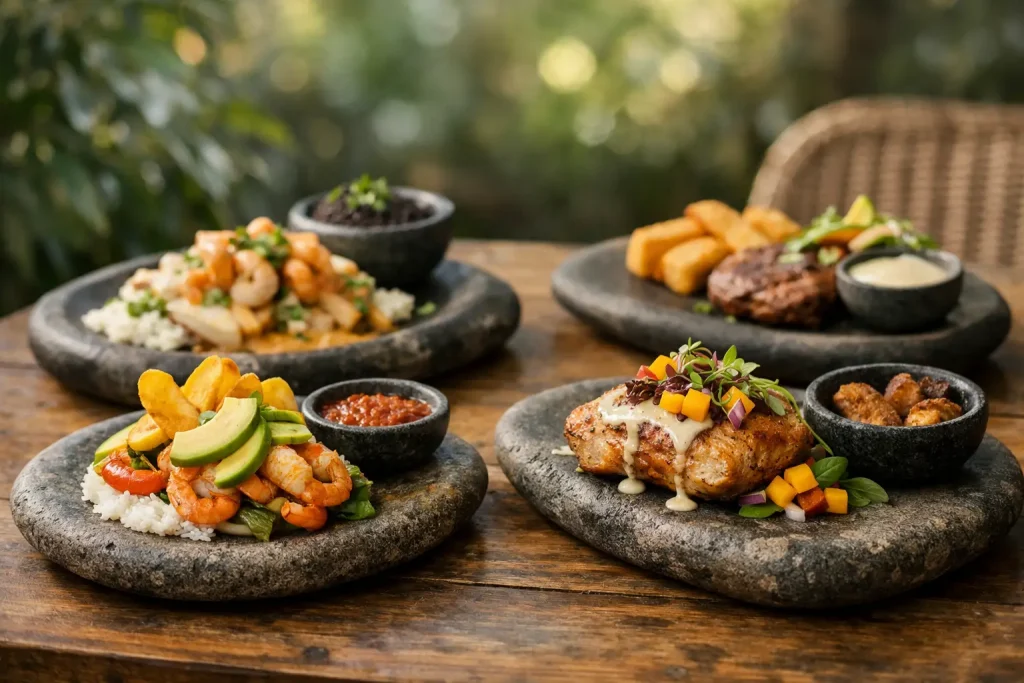
Some meals are meant to arrive fast. Others are meant to arrive right. That distinction matters when you are looking for made to order Latin food in Rapid City, especially if what you want is not just a full plate, but a meal with intention, timing, and character.
Made-to-order cooking asks for patience from the kitchen and trust from the guest. It means sauces are finished when the order comes in. Proteins are cooked for texture, not convenience. Garnishes are placed with purpose. In Latin cuisine, where so much flavor depends on layering aromatics, balancing acid, and respecting the rhythm of the dish, that extra care changes everything.
What made to order Latin food in Rapid City really means
The phrase can sound simple, but it carries real weight. Made to order is not a marketing flourish. In a chef-driven Latin kitchen, it means freshness is protected until the last possible moment. Rice may be prepared ahead because it needs time, but the final composition of a plate happens in response to your order, not in anticipation of it.
That difference is easy to taste. A just-seared protein holds moisture better. A crema or bright sauce keeps its contrast. Fried elements stay crisp instead of drifting into softness under a heat lamp. Plantains, tortillas, seafood, grilled meats, and composed rice dishes all benefit when they are finished to order rather than staged for speed.
For guests, this also sets expectations. A slower dining pace is not a delay in service. It is part of the dining model. If you are choosing a polished Latin meal for a date night, family dinner, or a special weekend outing, the timing should feel deliberate. The goal is not to rush food to the table. The goal is to bring it to the table at its best.
The ingredients tell the story first
Latin fusion works best when it stays grounded in real ingredients and real culinary memory. Corn, beans, yuca, plantains, citrus, peppers, herbs, slow-cooked meats, seafood, and carefully built broths are not decorative references. They are the foundation of the meal.
A thoughtful kitchen treats these ingredients with respect. The sweetness of ripe plantain has to be balanced, not masked. Citrus should sharpen richness without turning harsh. Chiles must add dimension, not just heat. Even a side dish can reveal the standard of the restaurant. Rice that is fluffy, seasoned, and aromatic says one thing. Rice that is flat and forgettable says another.
This is one reason made-to-order Latin food appeals to diners who care about craftsmanship. The ingredients remain recognizable, but the final experience feels elevated. You can honor Honduran, Peruvian, Mexican, Spanish, and broader Latin traditions while still presenting a plate with refinement. That balance is where the meal becomes memorable.
A dish can carry heritage without feeling heavy
Many guests want authenticity, but they also want a dining experience that feels polished and welcoming. Those two things are not in conflict. A dish rooted in family tradition can still arrive with thoughtful presentation, careful plating, and a sense of occasion.
Take plantains as an example. In the right hands, they can be comforting, savory, sweet, or all three within the same meal. They can support richer proteins, soften spice, and add a warm familiar note that many Latin American cuisines share. Their role on the plate may seem simple, but they often carry memory. That is the beauty of chef-led Latin food. A familiar ingredient can become the emotional center of the dish.
Why sauces matter so much
In Latin cuisine, sauces often decide whether a plate feels complete. A bright herb sauce can lift grilled meat. A chile-based preparation can deepen roasted vegetables. A creamier finish can soften heat and tie everything together.
When these elements are made with care and finished at the right time, they create contrast instead of clutter. This is one of the clearest signs of a serious kitchen. A sauce should not drown a dish. It should guide it.
Why the slower dining model fits Latin cuisine
Not every restaurant experience needs to move at the same speed. Some meals are built for convenience. Others are built for conversation, aroma, and anticipation. Latin cuisine, especially in a more refined setting, often shines in that second category.
A slower model gives the kitchen space to cook with precision. It also gives guests permission to settle in. You notice the fragrance of garlic, citrus, toasted spices, roasted peppers, and warm corn. You pay attention to texture. You linger over a cocktail, dessert, or a second course. The meal becomes an experience rather than a transaction.
That approach tends to resonate with couples, travelers, and local diners who are not chasing the fastest possible dinner. It is especially meaningful for celebrations, brunch outings, and evenings when the table matters as much as the food itself.
There is a trade-off, of course. If you are in a hurry, made-to-order service may feel slower than what you expected. But if your goal is quality, freshness, and hospitality with substance, that extra time is often exactly what makes the meal worth remembering.
A closer look at one plate: the beauty of grilled steak with chimichurri
If there is one dish that explains made-to-order Latin cooking clearly, it is a well-prepared grilled steak finished with chimichurri. The idea sounds straightforward. The execution is not.
The steak has to be tempered, seasoned, and cooked to the right doneness. Resting matters. Slice too early and the juices run out. Hold too long and the temperature falls. Then there is the chimichurri, which should taste fresh, herbaceous, lightly acidic, and alive. It cannot be muddy. It cannot be overly oily. It has to wake up the beef, not bury it.
Add supporting elements such as seasoned potatoes, rice, vegetables, or sweet plantains, and balance becomes the whole game. Richness meets brightness. Char meets freshness. Salt meets acid. That is why this kind of dish rewards a kitchen that cooks to order. Every component has a short window where it tastes its best.
For a guest, the result feels satisfying in a deeper way than generic steakhouse fare. The flavors are bolder, but also more layered. The dish tells a broader story about Latin cooking through herbs, acidity, texture, and contrast.
Made to order also matters for dietary needs
Freshly prepared food is not only about flavor. It can also help guests with dietary preferences and sensitivities dine more confidently. When dishes are assembled with care rather than pre-built in bulk, there is often more room for clear communication about ingredients, garnishes, and preparation.
That matters for gluten-free diners and for guests who need celiac-conscious options. It also matters for anyone who prefers lighter preparations, avoids certain spices, or wants to understand what is in a sauce before ordering. A hospitality-centered restaurant should welcome those questions and answer them clearly.
Of course, not every dish can be modified without changing its integrity. Sometimes the best answer is not yes to everything, but honest guidance toward the plate that will deliver the best experience safely and beautifully. That kind of transparency builds trust.
Why guests return for this kind of experience
People return to made-to-order restaurants for more than one reason. The first visit may be about curiosity. The second is usually about consistency. Guests remember the warmth of the room, the pacing of the meal, the confidence of the kitchen, and the sense that somebody cared how the plate landed.
That is especially true for Latin fusion done at a high level. There is color, aroma, texture, and cultural depth built into the cuisine. The menu can evolve with the season, and chef specials can reflect inspiration without losing the thread of tradition. At Catrachos Latin Cuisine, that blend of heritage and refinement is what gives each meal its sense of occasion.
For local diners around Rapid City and for visitors willing to travel a little farther for a memorable dinner, this style of restaurant offers something harder to find than convenience. It offers presence. You taste ingredients that still feel alive. You feel the confidence of a kitchen that knows when to honor tradition directly and when to interpret it with a lighter touch.
The next time you are deciding where to eat, it may help to ask a different question. Not what can I get quickly, but what meal is worth slowing down for.