
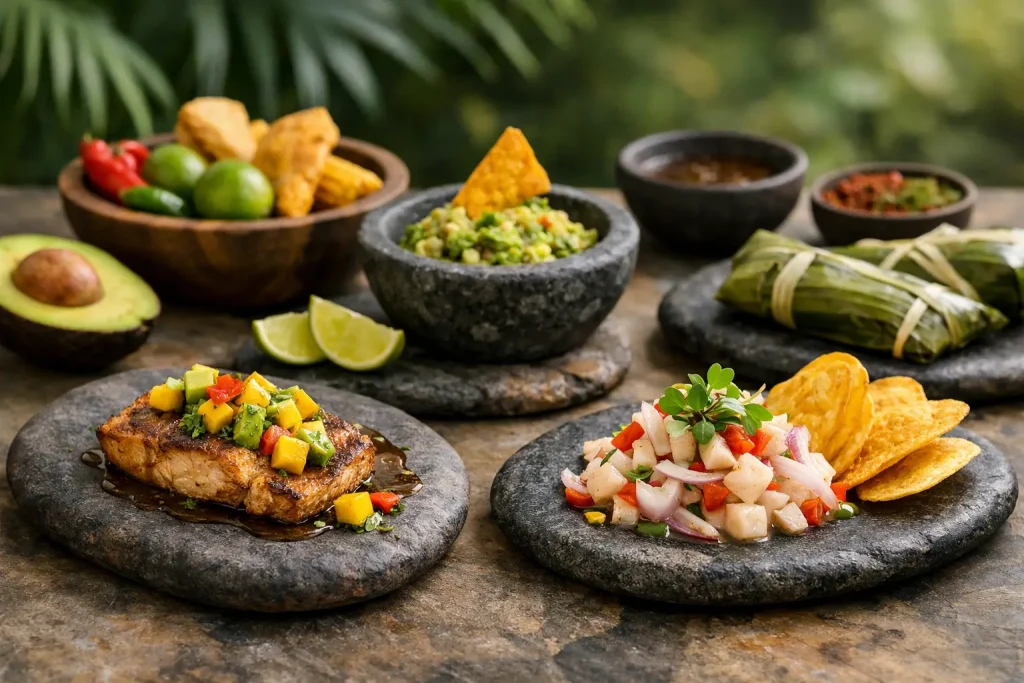
A great Latin meal rarely announces itself with one note. It arrives in layers – citrus first, then smoke, then herbs, then a slow warmth from chile, then something grounding like corn, plantain, rice, or beans. That is what makes a guide to Latin American flavors worth reading before you order, cook, or plan your next dinner out. These cuisines are not built on heat alone. They are built on balance, memory, technique, and ingredients that carry generations of meaning.
For many diners, the phrase Latin American food still gets flattened into a few familiar categories. In reality, the range is enormous. The brightness of Peruvian lime, the depth of Honduran beans and crema, the earthiness of Mexican mole, the savory elegance of Spanish paprika, garlic, and olive oil – each tradition speaks in its own accent. Even when they share ingredients, they use them differently. That difference is where the pleasure lives.
What this guide to Latin American flavors really means
The best way to understand Latin American flavors is to stop looking for one single profile. There is no universal Latin seasoning, no one sauce, no one level of spice that defines the whole region. Instead, think in families of flavor.
Acid is one of the most important. Lime, sour orange, vinegar, and tomato bring lift and contrast. They sharpen rich meats, wake up seafood, and keep a slow-cooked dish from feeling heavy. In many Latin kitchens, acid is not a finishing touch. It is structural.
Then there is chile. Not every dish is spicy, and not every pepper is used for heat. Some chiles are smoky, fruity, grassy, or slightly sweet. A sauce can be built around aroma as much as intensity. This matters for diners who are cautious about spice. A deeply flavored salsa or marinade may be expressive without being aggressive.
Herbs also carry a surprising amount of identity. Cilantro is the most recognized, but it is hardly alone. Parsley, oregano, culantro, mint, and bay leaf all appear depending on the region and dish. Fresh herbs can pull a plate toward brightness, while dried herbs often add a quieter, more savory depth.
The ingredients that show up again and again
Corn is foundational across much of Latin America, but its role changes from place to place. It may become masa for tortillas, tamales, pupusas, or empanadas. It may appear as sweet corn in soups or creamy sides. The flavor of corn can be toasty, soft, floral, or deeply comforting, especially when it is freshly ground or treated with care.
Beans do similar work. They are practical, yes, but they are also expressive. Black beans can feel velvety and mineral. Red beans are hearty and earthy. Refried beans, stewed beans, and pureed beans each create a different texture and weight on the plate. In the right hands, beans are not filler. They are flavor.
Rice often plays a supporting role, but support does not mean blandness. A well-made rice can carry stock, garlic, onion, herbs, and vegetables with quiet confidence. Plantains bring another kind of comfort. Green plantains can be savory and starchy, ideal for crisp tostones or mashed preparations. Ripe plantains shift toward sweetness and caramel, offering contrast beside savory proteins and tangy sauces.
Cheese and crema also deserve attention. Across Latin cuisines, dairy is used with restraint or generosity depending on the dish, but almost always with purpose. Salty crumbled cheese can brighten beans and corn. Crema can soften heat and add richness without overwhelming a plate.
Chile, smoke, and the question people ask most
Many guests ask whether Latin American food is spicy. The honest answer is that it depends on the region, the dish, and the cook. Heat is one tool, not the whole language.
In Mexican cooking, chile can shape the entire personality of a dish. It may be fresh and vivid, or dried and complex, with notes of raisin, cocoa, tobacco, or smoke. In Honduran and broader Central American cooking, the warmth may be gentler, with more emphasis on savory comfort, coconut, herbs, and acidity. Peruvian cuisine often balances chile with citrus and creaminess, creating sauces that feel alive rather than punishing.
Smoke, meanwhile, often enters through grilled meats, charred vegetables, roasted peppers, or dried chiles. It gives food a sense of depth and patience. Smoke is one reason a dish can taste luxurious without being heavy.
A few dishes that teach the palate
If you want to learn these flavors, dishes are often better teachers than definitions. Consider ceviche. At first bite, it feels all about lime, but the real beauty is in its precision. Acid firms the seafood, aromatics build perfume, chile adds shape, and the garnish changes the whole rhythm of the dish. It is bright, but it is also disciplined.
Now think about a slow-cooked bean dish from Honduras served with crema, plantains, or eggs. Here the lesson is comfort and layering. The beans carry earthiness, the dairy brings tang, the plantain adds sweetness, and suddenly a humble plate becomes complete. Nothing is loud, but everything has a role.
Mole teaches another lesson. Many first-time diners expect a spicy sauce or a chocolate sauce. Mole is neither of those shortcuts. It is usually a careful blend of chiles, nuts or seeds, spices, aromatics, and sometimes a touch of chocolate used for depth, not dessert sweetness. It rewards slow attention.
Peruvian chicken with aji-based sauces shows how fire, acid, and creaminess can coexist. The roasted skin, the herbal marinade, and the bright sauce do not compete. They complete one another. This is a good example of why Latin American cooking feels so memorable when done well. Contrast is built into the plate.
Why texture matters as much as flavor
One reason chef-driven Latin cuisine feels so satisfying is that texture is treated as part of the experience. Crisp yuca, tender braised meat, silky sauces, pickled onions, toasted seeds, and soft masa each add a different sensation. The palate stays interested because the food keeps moving.
This is also where fusion can either succeed or miss the mark. When Latin traditions are handled with respect, fusion does not blur identity. It highlights connections. A refined dining experience can preserve the soul of a dish while presenting it with greater polish, sharper execution, or seasonal adaptation. The trade-off is that not every beloved comfort dish should be reinvented beyond recognition. The best kitchens know when to elevate and when to leave well enough alone.
How to order with more confidence
A practical guide to Latin American flavors should help you choose well, especially if the menu includes regional influences you do not know yet. Start by deciding what kind of meal you want. If you want brightness, look for citrus, seafood, herbs, and lighter sauces. If you want warmth and comfort, choose braised meats, beans, rice, plantains, and roasted elements. If you want complexity, look for moles, adobos, slow-cooked sauces, and layered marinades.
It also helps to ask about the role of chile rather than simply asking whether a dish is spicy. A server can often tell you whether the pepper brings smoke, fruit, or true heat. That gives you a better sense of the plate.
For guests with gluten-free or celiac concerns, Latin cuisine can offer wonderful possibilities, but not every corn-based or rice-based dish is automatically safe. Sauces, fryers, coatings, and kitchen processes matter. In an attentive restaurant, clear communication makes all the difference, and it is always worth asking.
At Catrachos Latin Cuisine, that conversation is part of hospitality itself. When a dining room is built around made-to-order cooking and a slower, more intentional pace, guests have room to ask questions, savor details, and discover flavors they may not have expected to love.
The deeper reward of Latin American flavor
What makes these cuisines endure is not novelty. It is recognition. A bright salsa that reminds someone of home. A braise that tastes like patience. A warm tortilla or spoonful of rice that makes the entire plate feel grounded. The elegance of Latin American food comes from this ability to be both expressive and comforting at once.
If you are curious, start with one ingredient and follow it. Taste how lime changes seafood, how plantain changes a savory plate, how beans change with herbs and crema, how one chile can bring smoke instead of fire. The more attention you give these flavors, the more they give back.