
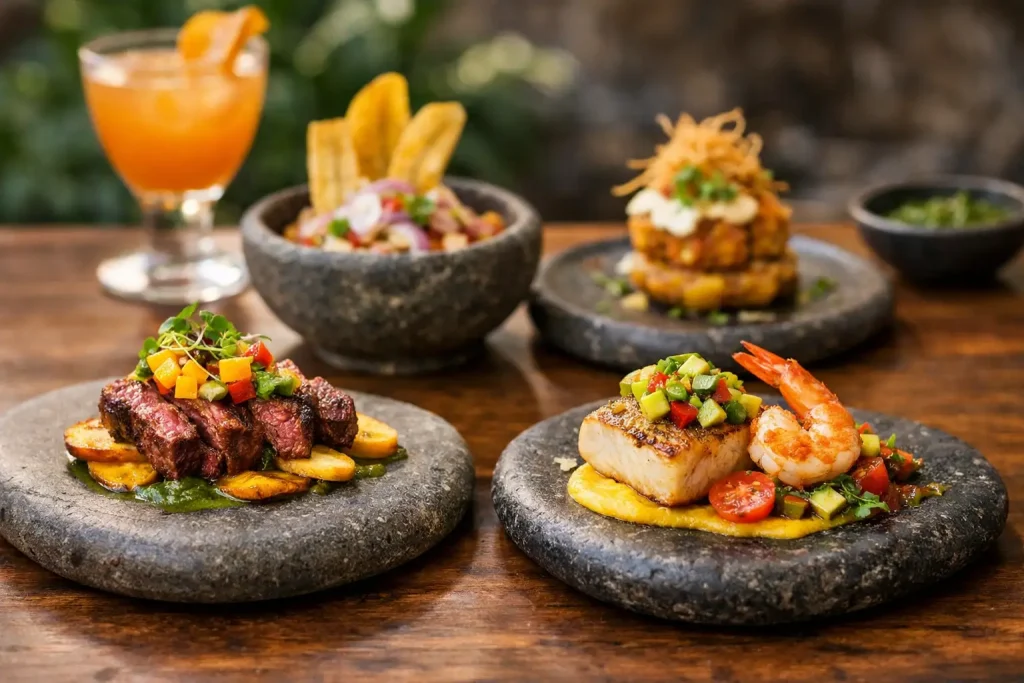
A plate arrives with the warmth of slow-braised meat, the brightness of fresh lime, the depth of roasted chiles, and a finish that feels both familiar and surprising. That moment is often what people mean when they ask, what is latin fusion cuisine?
At its best, Latin fusion cuisine is not a gimmick and it is not confusion on a plate. It is a thoughtful style of cooking that brings together the culinary traditions of Latin America, sometimes alongside Spanish influence or techniques from other kitchens, to create something new without losing the soul of the original ingredients. The goal is not to make food unrecognizable. The goal is to honor heritage while allowing chefs room for creativity, seasonality, and personal expression.
What Is Latin Fusion Cuisine?
Latin fusion cuisine is a chef-driven approach that blends ingredients, traditions, and cooking methods from Latin cultures with other culinary influences. That can mean combining Honduran comfort with modern plating, pairing Peruvian acidity with regional produce, or giving Mexican staples a more refined, layered presentation. It can also mean drawing on Spanish techniques that have long shaped Latin food history.
The key word is balance. A strong Latin fusion dish still tastes rooted. You should be able to recognize the character of the cuisine even when the presentation is elevated or the ingredients are used in a new way. If a dish borrows everything and belongs nowhere, it misses the point.
This is where people sometimes get the wrong idea. Fusion is not simply mixing random flavors from different places. Good fusion has structure. It understands why aji amarillo brings fruit and heat, why plantains can carry both sweetness and savor, why masa, beans, yuca, crema, sofrito, citrus, and fresh herbs each tell a different part of the story. When those elements are handled with intention, the food feels connected rather than forced.
The Difference Between Fusion and Authenticity
Some diners hear the word fusion and assume it means less authentic. In reality, authenticity and creativity are not opposites.
Latin food has always evolved. Ingredients traveled. Techniques crossed oceans. Indigenous, African, European, Caribbean, and Central and South American influences shaped each other over generations. Even many beloved traditional dishes are the result of historical blending. So the real question is not whether a chef is allowed to interpret. The question is whether that interpretation shows respect.
Respect shows up in sourcing, preparation, and understanding. It shows up when a chef knows the difference between using a Latin ingredient for decoration and building a dish around its true flavor. It shows up when a menu tells a cultural story instead of flattening many cuisines into one label.
There is also a practical side to this. A refined dining room may present a dish with polished technique and elegant plating, but that does not make the dish less heartfelt. In many cases, it allows the ingredients to speak more clearly. A carefully composed plate can still carry the memory of a family kitchen.
What Makes a Dish Feel Latin?
Latin cuisine is broad, and no single ingredient defines it. Even so, certain flavor patterns appear again and again across different regions.
You often find contrast. Bright citrus against rich braises. Creamy sauces against crisp textures. Smoke balanced by sweetness. Fresh herbs cutting through deeply seasoned proteins. Corn, rice, beans, cassava, plantains, chiles, tomatoes, tropical fruit, cheese, seafood, and slow-cooked meats all play important roles, depending on the region.
Then there are the aromatic foundations. Garlic, onion, peppers, cumin, oregano, cilantro, achiote, and sofrito-style bases can shape a dish before the first garnish ever lands on the plate. Acid matters too. A squeeze of lime or a sharp pickled element can completely change the energy of a bite.
Texture is just as important as flavor. Latin cooking often celebrates contrast – crisp tostones with a tender interior, silky crema over grilled meat, a crunchy slaw beside soft tortillas, or velvety beans alongside roasted vegetables. That sense of movement makes the food feel alive.
How Latin Fusion Cuisine Shows Up on the Plate
The most exciting Latin fusion dishes usually begin with a clear foundation. A chef might start with a Honduran tradition, then refine the technique or adjust the presentation without stripping away identity. Another dish might lean Peruvian in acidity and freshness, with a Spanish touch in the sauce work or a Mexican influence in its use of chile and corn.
Imagine a braised protein served with a vibrant reduction built from Latin aromatics, seasonal vegetables, and a starch with cultural relevance such as yuca, rice, or plantains. Or think of brunch, where eggs, crema, roasted peppers, handmade sauces, and carefully layered textures can transform a familiar format into something more expressive.
Desserts can tell the same story. A classic Latin flavor profile like cinnamon, caramel, tropical fruit, or tres leches can be shaped into a plated dessert that feels celebratory without becoming overly formal. The spirit remains generous, even when the presentation is polished.
This is one reason Latin fusion works so well in a chef-led dining setting. It gives the kitchen room to respond to the season, feature specialties, and present dishes that feel composed rather than copied.
Why the Best Latin Fusion Cuisine Starts With Knowledge
Creativity sounds glamorous, but the strongest fusion kitchens are usually disciplined first. Before a chef bends tradition, they need to understand it.
That means knowing how a sauce should taste before reworking it. It means recognizing the role of heat, acidity, starch, and aroma in different Latin cuisines. It means understanding that Honduras is not Peru, that Mexico is not Spain, and that Latin America is not one single flavor profile.
When that foundation is missing, fusion can become vague. Everything gets labeled Latin, but nothing feels specific. The result may be colorful, yet forgettable.
When the foundation is strong, the opposite happens. A dish becomes memorable because it has clarity. You can feel its roots and its point of view at the same time. That is the sweet spot.
What Diners Should Expect From Latin Fusion
If you are ordering Latin fusion cuisine for the first time, expect familiarity with a twist, not novelty for novelty’s sake. You may recognize ingredients right away, but the combination, technique, or plating may feel more layered than what you expect from a casual menu.
You should also expect a range of experiences. Some Latin fusion is vibrant and rustic. Some is quiet and elegant. Some leans deeply into comfort, while some emphasizes precision and visual refinement. Neither approach is automatically better. It depends on the chef’s intention and the kind of evening you want.
For guests with dietary needs, Latin fusion can also be more accommodating than people assume. Many Latin ingredients are naturally gluten-free, including corn, rice, beans, yuca, and many fresh proteins and vegetables. Of course, preparation matters. Shared fryers, flour-based thickeners, marinades, and cross-contact all make a difference, which is why a restaurant’s attention to detail matters as much as the ingredient list.
What Is Latin Fusion Cuisine in a Restaurant Setting?
In a restaurant, Latin fusion cuisine is often about more than the food alone. It invites a slower, more intentional experience. The dishes are made to order, the flavors build in courses, and the menu may shift with ingredients, chef specials, or the season.
That dining style suits Latin fusion especially well because these cuisines are rich with story. A plate can carry memory, migration, celebration, and regional pride all at once. When service is attentive and the kitchen cooks with purpose, guests feel that depth. Dinner becomes less about speed and more about the pleasure of noticing what is on the plate.
That is part of why a chef-driven Latin restaurant can feel so memorable in a place like Rapid City. For locals, it offers something beyond the routine. For visitors, it can become one of the meals they remember long after the trip ends.
At Catrachos Latin Cuisine, that idea lives in the space between tradition and artistry – where Latin heritage is treated with care, and every plate is given the time it deserves.
Latin fusion cuisine, when done well, gives you both comfort and discovery in the same bite. It reminds us that food can stay rooted while still growing, and that some of the most meaningful meals come from kitchens brave enough to honor the past without being trapped by it.