
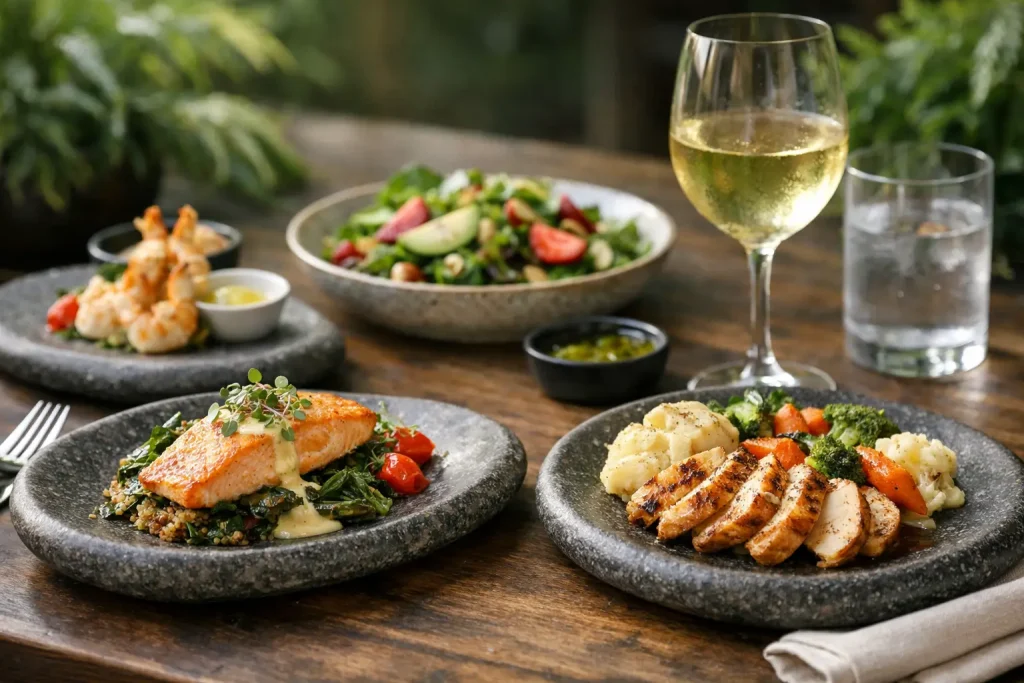
A thoughtful gluten free menu review begins long before the first plate reaches the table. For guests avoiding gluten, a memorable meal depends on more than spotting a familiar label beside a dish. It comes down to understanding ingredients, asking the right questions, and dining with a team that treats those questions with care rather than inconvenience.
Latin cuisine offers extraordinary possibilities for gluten-free dining: corn, rice, beans, plantains, potatoes, fresh seafood, vibrant vegetables, slow-cooked meats, citrus, chiles, and herbs all have a natural place at the table. Yet the details matter. A sauce may be thickened differently than expected. A shared fryer may change the answer for someone with celiac disease. A garnish, marinade, tortilla, or dessert component can carry an ingredient that is easy to overlook.
At a chef-driven restaurant, that attention to detail is part of the hospitality. The goal is not simply to remove an ingredient. It is to preserve the color, depth, texture, and cultural character that make a dish worth lingering over.
What a Gluten Free Menu Review Should Actually Tell You
A useful menu review is not a promise that every dish is automatically safe for every guest. Instead, it should help diners understand where gluten may appear, which choices may be adaptable, and when a conversation with the service team is essential.
The strongest gluten-free menus make room for clarity. They distinguish naturally gluten-free ingredients from dishes that can be modified, and they avoid vague language that leaves guests guessing. For a diner with a mild sensitivity, a simple modification may be sufficient. For a diner with celiac disease or a severe allergy concern, preparation methods and cross-contact procedures become just as meaningful as the ingredient list.
That difference is worth stating plainly. Gluten-free is not always the same as celiac-safe. A restaurant can make a dish without wheat, barley, or rye and still prepare it near gluten-containing foods. Guests deserve the information needed to decide what level of care fits their needs.
Latin Ingredients That Naturally Belong on a Gluten-Free Table
Some of the most satisfying gluten-free options begin with ingredients that have long anchored Latin American cooking. Corn masa, when prepared without added wheat ingredients, can bring warm earthiness and a tender structure to tortillas, tamales, arepas, and other regional preparations. Rice and beans offer comfort and substance, while plantains bring a gentle sweetness that can be crisp, caramelized, or softly savory depending on the preparation.
Potatoes are equally expressive. From creamy purées to crisp roasted preparations, they absorb chile, garlic, citrus, and herb-driven sauces beautifully. Fresh fish, grilled meats, and vegetables can also be naturally gluten-free when their marinades, seasonings, and finishing sauces are verified carefully.
Then there are the ingredients that create the unmistakable energy of the plate: ají, cilantro, lime, tomatillo, roasted peppers, avocado, garlic, onion, and fruit. None requires gluten to be compelling. A bright ceviche-style preparation can rely on citrus and chile for its lift. A slow-braised protein can carry depth through aromatics and time. A composed vegetable dish can feel celebratory through contrast: char, creaminess, acidity, crunch, and heat.
The important qualifier is always preparation. Corn-based does not automatically mean gluten-free. A sauce that appears simple may contain a stock base, seasoning blend, or thickener that needs confirmation. This is why ingredient knowledge belongs at the center of every gluten free menu review.
Sauces, Fryers, and Finishing Touches Matter
The most common surprises are often the smallest details. Sauces can contain flour-based thickeners, malt vinegar, soy sauce made with wheat, or seasoning mixes with undeclared gluten-containing additions. Fried items may share oil with breaded foods. Even a finishing crumble or crisp garnish can change the suitability of an otherwise gluten-free dish.
This does not mean diners need to approach every meal with anxiety. It means a polished restaurant should welcome direct, specific questions. Ask whether a sauce contains gluten, whether a fryer is shared, and whether a dish can be prepared with precautions appropriate to your dietary need. Clear questions invite clear answers.
How to Order With More Confidence
When making a reservation or arriving for dinner, mention your gluten-free needs early. If you have celiac disease, say so directly rather than relying only on the phrase “gluten-free.” That gives the host, server, and kitchen a better opportunity to guide the conversation and identify what may be safely accommodated.
Once seated, focus on the whole dish, not only the main ingredient. A grilled chicken entrée may sound straightforward, but the marinade, side dish, sauce, and garnish all deserve consideration. The same is true of brunch, where breads, batter, shared cooking surfaces, and fried accompaniments may be part of the preparation.
A few questions usually provide more value than a long interrogation: Is this dish naturally gluten-free or modified? Does the sauce or marinade contain gluten? Is there a shared fryer or shared preparation surface? For guests with celiac disease, can the kitchen take precautions to reduce cross-contact?
The answer may sometimes be that a favorite dish cannot be accommodated safely that evening. That is not a failure of hospitality when it is communicated honestly. In fact, transparency is one of the most generous things a restaurant can offer. It allows the guest to choose a different dish with confidence instead of taking an unnecessary risk.
A Gluten Free Menu Review of the Dining Experience
The best gluten-free experience still feels like dining, not negotiating. A guest should be able to enjoy the aroma of roasted chiles, the brightness of fresh lime, the warmth of a handmade meal, and the pleasure of sharing a table without feeling set apart from everyone else.
At Catrachos Latin Cuisine, the made-to-order approach creates space for that conversation. Seasonal menus and chef specials can change with ingredients and inspiration, so availability may vary, but that same culinary flexibility can help the team discuss preparation thoughtfully. The right recommendation depends on the day’s menu, the guest’s individual sensitivity, and the kitchen’s ability to meet the request safely.
There is also a meaningful difference between making a dish plain and making it complete. Removing a questionable component should not leave a plate without balance. If a sauce cannot be used, another naturally gluten-free accent may bring acidity or heat. If a breaded element is unavailable, a chef may guide the guest toward a dish whose original design already celebrates corn, vegetables, seafood, or slow-cooked proteins. The intention is to protect the experience, not merely work around a restriction.
Dessert and Drinks Deserve the Same Care
Gluten questions do not end with the entrée. Desserts may include cake, cookies, pastry, flour-thickened custards, or toppings prepared alongside baked goods. Ask whether the dessert is naturally gluten-free and whether it is made or plated in a way that fits your needs. A fruit-forward finish, a custard, or another simple preparation may be a beautiful option, but it should still be confirmed.
Beverages deserve a quick check as well. Most wine and distilled spirits are generally considered gluten-free, but beer, flavored spirits, mixers, and specialty cocktails can vary. A knowledgeable server can help identify an option that complements the meal while respecting your preferences.
A gluten-free meal should never have to feel like an afterthought. When ingredients are respected, questions are welcomed, and expectations are clear, the table becomes what it should be: a place for flavor, connection, and the pleasure of being well cared for.