
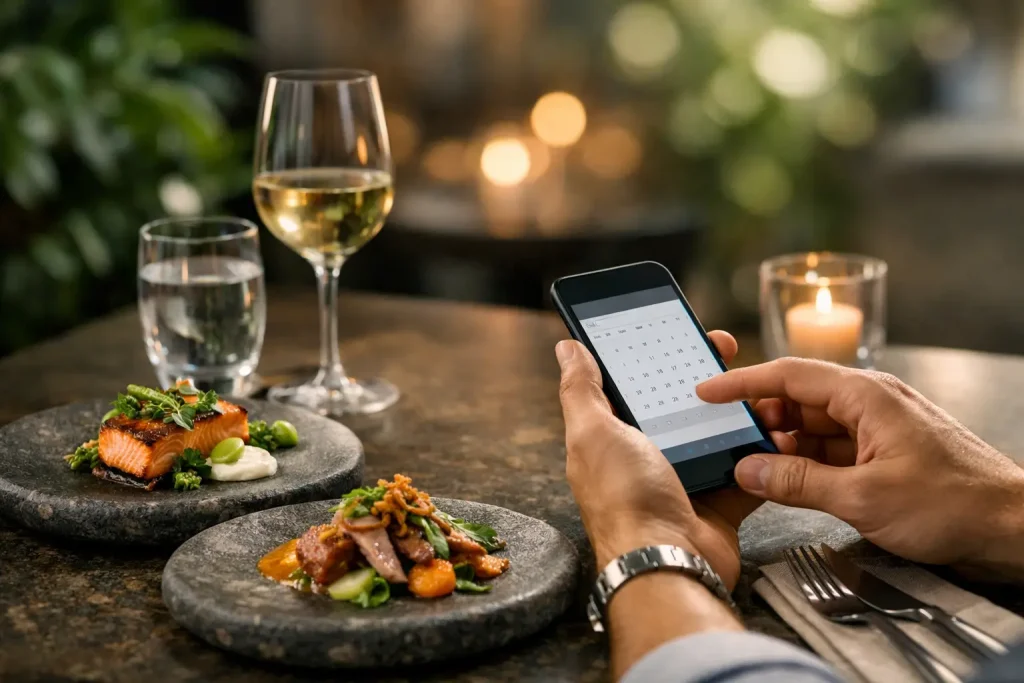
A wonderful dinner rarely begins when the first plate reaches the table. It begins with anticipation: choosing the evening, inviting the right people, and giving yourself enough time to enjoy every course. Knowing how to book dinner reservations turns that anticipation into a calmer, more personal experience – especially when the meal is meant to celebrate, reconnect, or introduce someone to flavors they have never tasted before.
For a chef-driven restaurant, a reservation is more than a name beside a time. It helps the kitchen and dining room prepare to welcome you well, whether you are planning a quiet date night, gathering family from across the Black Hills, or making a special stop while visiting Rapid City.
Start with the kind of evening you want
Before opening a reservation platform, decide what you want the night to feel like. An early dinner can be relaxed and unhurried, with more space to ask questions about the menu or linger over dessert. A later seating may bring a livelier dining room and a more celebratory energy. Neither is better. The right choice depends on your plans, your party, and how much time you want to give the meal.
For an occasion dinner, reserve earlier than you think you need to. Weekends, holidays, local events, and evenings around anniversaries or graduations tend to fill first. If your preferred time is not available, consider shifting by 30 to 60 minutes rather than abandoning the date altogether. A 5:30 p.m. table can be a beautiful beginning to the evening, while an 8:00 p.m. reservation may suit guests who want to settle in after a show or a day of travel.
It also helps to think honestly about your group size. A table for two is often easier to place than a party of six, while larger groups may need more advance notice so the restaurant can seat everyone comfortably. Reserve for the number of guests who will actually attend, including children who need a seat.
How to book dinner reservations at the right time
Most restaurants offer reservations online, by phone, or through a reservation service such as Resy. Online booking is convenient because it shows real-time availability, but calling can be helpful when your plans include a larger party, a mobility consideration, or a question that cannot fit neatly into a booking note.
When you see an available time you like, book it rather than waiting for the perfect moment. Popular tables can disappear quickly. Read the confirmation details before finalizing, particularly the date, time, guest count, and any cancellation policy. A simple check now prevents the disappointment of arriving on the wrong evening or assuming a reservation was completed when it was not.
If you are choosing between two times, think beyond convenience. Give yourself enough room before the reservation to arrive without rushing. Dinner is more enjoyable when no one is watching the clock because parking, a delayed drive, or a last-minute change squeezed the schedule too tightly.
Reserve early for meaningful occasions
Birthdays, engagements, visiting relatives, and romantic evenings deserve a little foresight. Booking one to three weeks ahead is often wise for a sought-after dinner time, especially on Friday or Saturday. For major holidays and peak travel periods, planning even earlier offers the best chance of getting your preferred seating.
That said, a spontaneous dinner can still be special. Check for same-day openings, earlier or later times, and possible cancellations. Flexibility is often the difference between missing out and discovering an unexpectedly lovely table.
Share the details that help your hosts care for you
The reservation note is not a place for a long message, but it can make a genuine difference. Mention a milestone if you are celebrating one. Let the restaurant know about a wheelchair, stroller, or other access need. If someone in your party has a serious food allergy, gluten sensitivity, or celiac disease, share that information when booking and remind your server upon arrival.
Dietary communication works best when it is specific. “Gluten-free guest with celiac disease” gives the team clearer guidance than “gluten-free,” because cross-contact concerns may matter as much as ingredients. Likewise, an allergy to shellfish, dairy, nuts, or another ingredient should be stated plainly. A thoughtful restaurant will explain what can be accommodated, but seasonal menus and made-to-order dishes can affect what is possible on a given evening.
For diners who love Latin cuisine but are unfamiliar with certain ingredients, asking questions is part of the pleasure. The bright warmth of ají amarillo, the gentle richness of a slow-cooked sauce, the corn-forward comfort of a handmade tortilla, or the fresh lift of citrus can each tell a different culinary story. At Catrachos Latin Cuisine, the menu draws inspiration from Honduras, Peru, Mexico, Spain, and wider Latin American traditions, so curiosity is always welcome at the table.
Use reservation platforms with a little care
A reservation app makes booking simple, but a few habits keep it reliable. Use the name and contact information of the guest who will be arriving. Confirm that your phone number and email are current so you receive reminders or important updates. If a platform asks you to confirm shortly before your reservation, do it promptly.
Avoid making multiple reservations at different restaurants “just in case.” It may feel harmless, but those held tables can keep other diners from making plans and create unnecessary strain for restaurants preparing their service. Choose the experience you want, reserve it with intention, and release the table quickly if your plans change.
If you join a waitlist, keep your phone nearby and be realistic about your availability. An offered table may need a quick response. Being waitlisted does not guarantee a seat, but it is a useful option when you have a flexible evening and a particular restaurant in mind.
Arrive ready to enjoy the pace of dinner
Plan to arrive a few minutes before your reservation, not half an hour early and not at the exact minute if your drive is unpredictable. Ten minutes is usually enough to check in, settle your coat, and begin the evening without pressure. If you are running late, call as soon as you know. Restaurants may be able to hold a table briefly, but timing matters because every seating affects the next.
Once you are seated, allow the meal to unfold. A made-to-order dining experience is shaped by preparation, timing, and care. Courses may arrive at a measured pace because sauces are being finished, plates are being composed, and ingredients are being treated with the attention they deserve. That rhythm is part of the experience, not a pause between things to rush through.
If you have theater tickets, a long drive home, or another fixed commitment, tell your server early. They can help guide your choices toward dishes and courses that fit your timeline without reducing the evening to a race.
Change or cancel as soon as you can
Plans change. Weather moves in, a child gets sick, work runs late, or a celebration becomes a different kind of night. When that happens, update or cancel your reservation as early as possible through the original booking method. It is a small courtesy with a meaningful effect: another guest may be able to claim the table, and the restaurant can adjust its service plan.
For a smaller change, such as one fewer guest, do not assume it does not matter. Updating the party size helps the host team use tables thoughtfully. For a larger party, call directly if possible. The earlier you communicate, the more options there may be.
A reservation should create ease, not pressure. Choose a time that leaves room for conversation, tell the restaurant what it needs to know, and arrive ready to taste something with history behind it. The best evenings are not overplanned – they are simply given enough care to become memorable.