
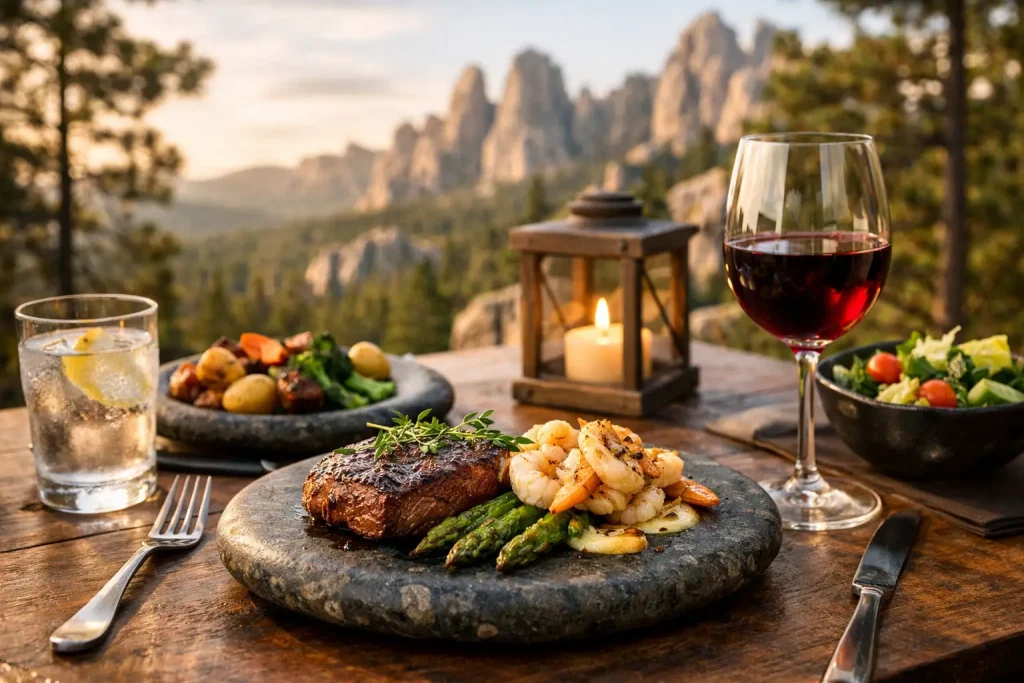
A great meal in the Black Hills should feel like part of the trip, not a stop between plans. Whether your day included granite spires, open roads, downtown galleries, or a long scenic drive, dinner has a way of setting the emotional tone for the evening. That is why a thoughtful black hills dining guide matters. In a region known for natural beauty, the most satisfying table is often the one that offers not only flavor, but intention.
For many diners, the real question is not simply where to eat. It is what kind of experience you want after a full day. Some nights call for something quick and familiar. Other nights deserve a slower rhythm, a well-paced service, a room with warmth, and a plate that tells a story through ingredients, technique, and heritage. Knowing the difference helps you choose well.
What a Black Hills dining guide should actually help you find
The strongest dining recommendations do more than sort restaurants by cuisine or price point. They help you match the meal to the moment. A family lunch after sightseeing has different needs than a date night, an anniversary dinner, or a relaxed brunch with friends. The atmosphere, pacing, menu flexibility, and level of service all matter as much as the food itself.
In the Black Hills area, that decision often comes down to whether you want convenience or memory. Convenience has its place, especially when schedules are tight or children are hungry now, not twenty minutes from now. But memory usually comes from places that treat dining as hospitality rather than transaction. You notice it in the details – the way a dish is presented, how ingredients are explained, whether dietary needs are taken seriously, and how the room makes you feel once you settle in.
A good guide should also make space for nuance. Not every excellent restaurant fits every occasion. A chef-driven dining room may be perfect for a celebration but less ideal if you need to be in and out quickly. A casual brunch spot may be exactly right for a late morning gathering, while a more refined dinner service suits guests looking for depth, atmosphere, and a touch of ceremony.
Choose the dining style before you choose the table
One of the easiest ways to avoid disappointment is to decide on pacing first. If you are looking for a leisurely evening, seek out a place that respects slow dining. That means made-to-order food, attentive but unhurried service, and a menu built around craft rather than volume. These meals ask for time, but they often reward you with better texture, fresher preparation, and a more personal experience.
If your priority is energy and spontaneity, brunch can be the perfect middle ground. A strong brunch menu offers comfort, brightness, and a little indulgence, often with room for both familiar favorites and more expressive flavors. For couples and visiting families alike, brunch can feel festive without requiring the structure of a formal evening out.
Dinner, of course, carries its own expectations. This is where many travelers and locals alike want something distinctive. In the Black Hills, a memorable dinner is often less about trend and more about craftsmanship. Diners tend to respond to menus with a clear point of view, especially when the kitchen balances authenticity with creativity rather than chasing novelty for its own sake.
Look for dishes with heritage, not just popularity
When a menu draws from rich culinary traditions, each dish has the chance to offer more than flavor. It can carry memory, geography, and technique. That is especially true in Latin cuisine, where ingredients such as masa, plantains, yuca, crema, citrus, peppers, slow-braised meats, fresh herbs, and house-made sauces create layers that feel both comforting and expressive.
A dish worth ordering usually reveals care in its structure. The acid should brighten, not overpower. Heat should build with purpose. Texture should contrast in satisfying ways – crisp against tender, creamy against charred, soft against bright and fresh. These are small things, but they are what separate food that fills you from food that stays with you.
Consider, for example, the appeal of a well-executed churrasco-style plate or a braised meat dish served with a thoughtful starch and vibrant sauce. The meat should be deeply seasoned and properly rested. The starch, whether rice, potatoes, tostones, or yuca, should do more than occupy space on the plate. It should absorb juices, add texture, and support the whole composition. Even a dessert can reflect this same intention, using cinnamon, caramel, tropical fruit, chocolate, or custard to finish the evening with warmth rather than excess.
That is often where diners find the difference between a routine night out and a true culinary experience.
A black hills dining guide for gluten-free and dietary needs
For guests with gluten-free needs, celiac concerns, or other dietary restrictions, dining well starts with trust. A polished restaurant experience is not only about beautiful plating or elegant service. It is also about clear communication. Can the staff explain ingredients confidently? Does the kitchen understand cross-contact concerns? Are substitutions handled thoughtfully rather than reluctantly?
The answer matters because hospitality is not one-size-fits-all. A refined restaurant should make guests feel cared for, not burdensome. That does not mean every dish can be endlessly modified. In fact, some of the best kitchens protect the integrity of the menu when necessary. But they also guide guests toward options that are safe, satisfying, and worthy of the occasion.
If you have dietary concerns, a reservation can be especially helpful. It gives the restaurant a chance to prepare, and it gives you a chance to ask informed questions before you arrive. This kind of communication supports a smoother evening for everyone, especially in a destination area where dining rooms can be busy and guest expectations run high.
Why reservations can shape the whole evening
In a region that attracts both locals and visitors, reservation-based dining is often the difference between hoping for a table and truly planning a night out. This is particularly true for date nights, birthdays, anniversaries, and weekends when the dining room fills early.
Reservations also tend to pair naturally with chef-led restaurants and slower dining formats. If a kitchen is preparing dishes to order, pacing the room carefully, and focusing on quality over turnover, reservations help preserve that standard. The guest benefits as much as the restaurant does. You arrive with confidence, the staff can welcome you properly, and the evening starts with ease instead of uncertainty.
There are trade-offs, of course. Spontaneous diners may prefer the flexibility of casual service. But when the goal is a memorable meal, planning ahead usually pays off.
What makes a restaurant feel worth the drive
For diners coming from surrounding towns or spending the day in the hills before heading into Rapid City for dinner, the question is simple: was it worth the drive? The answer usually depends on more than flavor alone.
A worthwhile destination restaurant gives you a sense of occasion. The room feels cared for. Service is present without hovering. The menu has personality. You can taste the freshness. You can tell that someone thought about the balance of each plate. Whether the influence is Honduran, Peruvian, Mexican, Spanish, or broader Latin American, the best meals feel grounded in tradition while still offering something personal from the chef.
At Catrachos Latin Cuisine, that philosophy shapes the experience from the first course to dessert. The menu invites guests into a broader Latin story, one built on heritage, technique, and made-to-order cooking. For diners seeking more than convenience, that distinction matters.
Use this guide to choose with intention
The best meals in the Black Hills are rarely accidental. They come from choosing the kind of night you want, then finding a restaurant that honors it. Sometimes that means brunch with bright flavors and relaxed conversation. Sometimes it means an elegant dinner where the pacing is slower, the ingredients speak clearly, and every course feels composed rather than rushed.
If you are deciding where to eat next, let the setting, company, and purpose of the meal guide you. A good table should meet the moment – and on the right night, it becomes part of the reason you remember the trip at all.