
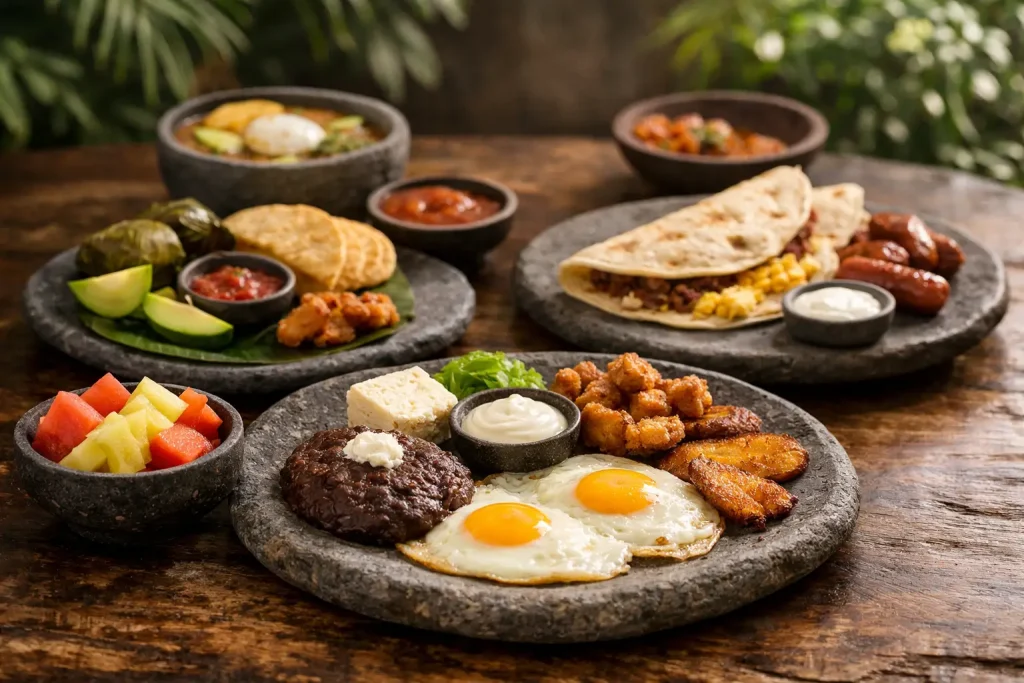
The first bite of a Honduran breakfast rarely whispers. It arrives with warm tortillas, slow-cooked beans, eggs with character, cheese with salt and tang, and the unmistakable comfort of a meal made to satisfy both appetite and memory. Honduran breakfast dishes are generous by nature, but they are also thoughtful – built on corn, beans, dairy, plantains, and eggs in combinations that feel humble, complete, and deeply rooted in daily life.
For diners who love food with a sense of place, breakfast in Honduras offers more than a morning routine. It tells a story about region, family, and resourcefulness. Some plates are simple enough for an everyday table. Others become weekend rituals, market favorites, or the kind of meal that lingers in your mind long after the coffee is gone.
Why Honduran breakfast dishes feel so satisfying
A great Honduran breakfast understands balance. Rich elements like crema, butter, avocado, or queso fresco are grounded by beans and tortillas. Sweet fried plantains soften the salt of eggs and cheese. Chorizo or sausage brings spice and depth, while fresh cilantro, onion, and tomato brighten the plate.
That balance is part of what makes these dishes so appealing in a restaurant setting. They are comforting without being one-note. Rustic without being careless. When prepared with attention, each ingredient has a role – the tortilla should be tender, the beans creamy but defined, the eggs cooked with intention, and the garnishes fresh enough to lift the entire plate.
It is also worth saying that breakfast traditions vary from household to household. The same dish may be more rustic in one kitchen and more composed in another. That is not a flaw. It is the beauty of living cuisine.
1. Baleadas
If there is one dish that introduces many people to Honduran breakfast, it is the baleada. At its most classic, a baleada is a thick flour tortilla folded around refried red beans, crumbled cheese, and crema. The ingredients are modest. The experience is not.
A well-made baleada depends on texture. The tortilla should be soft and warm, with enough elasticity to fold without tearing. The beans should be savory and smooth, never dry. The crema adds cool richness, while the cheese brings salt and structure. From there, many versions include scrambled eggs, avocado, or a protein such as chorizo.
This is one of those dishes that looks simple until you taste a truly good one. Then the details become obvious. Too much filling and it turns heavy. Too little crema and it loses contrast. The best baleadas feel comforting and precise at the same time.
2. Huevos con frijoles y queso
One of the most beloved Honduran breakfast dishes is also one of the most direct: eggs with beans and cheese. It often comes with tortillas, crema, and sometimes avocado or fried plantains. On paper, it sounds familiar to many American diners. On the plate, it carries its own identity.
The eggs may be scrambled with onion and pepper or served fried. The beans are usually refried red beans, richer and more earthy than many people expect. The cheese is typically fresh, salty, and crumbly rather than melted. Together, they create a breakfast that feels complete without needing excess.
This dish is a good example of how Honduran cooking turns pantry staples into something memorable. Nothing here is trying to impress through novelty. The appeal comes from proportion, seasoning, and the comfort of repetition done well.
3. Plátanos fritos with crema and beans
Sweet fried plantains are essential to many Central American tables, and in Honduras they often play a starring role at breakfast. When ripe plantains are sliced and fried until caramelized at the edges, they bring sweetness, softness, and a deep golden aroma that transforms the entire plate.
Served with crema and beans, fried plantains create one of breakfast’s best contrasts. Sweet meets savory. Crisp edges give way to tender centers. Cool dairy softens the warmth of the fry. Add eggs or cheese, and the dish becomes even more rounded.
There is a practical side to this plate as well. Plantains are filling, affordable, and deeply woven into everyday cooking. But there is also pleasure in them. They make breakfast feel just a little more generous, a little more celebratory, even on an ordinary day.
4. Honduran tamales
Tamales can appear at many times of day, but they absolutely belong in the breakfast conversation. Honduran tamales are typically wrapped in banana leaves, which perfume the masa as it steams. The filling often includes seasoned meat, rice, potato, peas, or olives, depending on family tradition and occasion.
Compared with lighter morning fare, tamales are more of a commitment. They are ideal when breakfast leans toward brunch or when the day ahead is long. That density is part of their appeal. They carry the labor of preparation, the patience of wrapping, and the satisfaction of a dish meant to nourish fully.
Because recipes vary so much, tamales are also a reminder that there is no single definitive Honduran breakfast plate. Some mornings call for quick eggs and tortillas. Others make room for something ceremonial, slow, and richly layered.
5. Tortillas with mantequilla, beans, and eggs
Corn tortillas are not just a side detail in Honduran cuisine. They are central. Fresh tortillas with mantequilla, beans, and eggs create a breakfast that feels elemental in the best sense of the word.
When the tortilla is made well, it carries the warm aroma of corn and a tender chew that holds up to rich toppings. Mantequilla, whether spread lightly or more generously, adds a creamy layer that melts into the tortilla. Beans bring depth, and eggs add substance. It is simple, but not plain.
This kind of breakfast shows why authenticity is often about restraint. You do not need a crowded plate when each component is treated with care. For many diners, that honesty is exactly what makes the meal so compelling.
6. Desayuno típico hondureño
Ask for a typical Honduran breakfast, and you may receive a plate that gathers several favorites at once: eggs, beans, cheese, crema, avocado, fried plantains, and tortillas, sometimes with sausage or chorizo. It is abundant, colorful, and built for people who want the full picture rather than a single note.
This style of plate works beautifully in a brunch setting because it offers variety without feeling scattered. Each bite can shift slightly – a little bean and cheese here, a forkful of egg with plantain there, a bite of avocado to cool the richness. The diner gets contrast and continuity in the same meal.
The trade-off, of course, is that abundance leaves less room for subtlety if the components are not well prepared. A great typical breakfast depends on disciplined execution. Every item should earn its place.
7. Chorizo with eggs and tortillas
For guests who prefer a breakfast with more weight and spice, chorizo with eggs is a natural favorite. The chorizo brings paprika, garlic, fat, and savoriness, which season the eggs as they cook. With beans and tortillas on the side, the meal becomes deeply satisfying.
This is not the most delicate breakfast, and it should not try to be. Its strength is boldness. Still, balance matters. If the chorizo is overly greasy or too salty, it can dominate everything else. The best versions let the eggs stay soft and the tortillas remain a neutral, warm counterpoint.
A plate like this also pairs especially well with fresh elements such as avocado, pico de gallo, or a spoonful of crema. Those additions keep the dish lively rather than heavy.
8. Atol and morning sides
Not every Honduran breakfast centers on a composed entrée. Warm drinks and smaller accompaniments often round out the morning table. Atol, a traditional warm beverage made from corn or other starches depending on the version, can bring comfort and substance on its own or alongside bread, tamales, or tortillas.
These quieter items matter because breakfast is not always theatrical. Sometimes it is about warmth, steadiness, and familiarity. For diners used to fast, sugary breakfasts, this can feel like a different philosophy entirely – one that values grounding flavors and a more connected start to the day.
What to notice when you order Honduran breakfast dishes
The easiest mistake is to think these plates are heavy simply because they are generous. In reality, the best Honduran breakfasts are structured around contrast. The beans are earthy, but the crema is cool. The cheese is salty, but the plantains are sweet. The eggs are rich, but herbs and fresh garnishes keep the palate awake.
It also helps to expect variation. A baleada in one kitchen may be rustic and oversized. In another, it may be more refined and balanced. A typical breakfast can feel homey or polished depending on the cook’s style. Neither approach is automatically better. It depends on whether the goal is nostalgia, elegance, or a little of both.
At Catrachos Latin Cuisine, that spirit of Honduran tradition is part of what makes breakfast and brunch feel special. Familiar ingredients are given the respect they deserve, with attention to presentation, freshness, and the kind of hospitality that invites guests to linger.
If you are new to Honduran breakfast, start with the dish that sounds most comforting rather than the one that seems most adventurous. These are foods built on welcome. Once you taste how beans, tortillas, crema, cheese, eggs, and plantains come together, the morning opens up in a very satisfying way.