
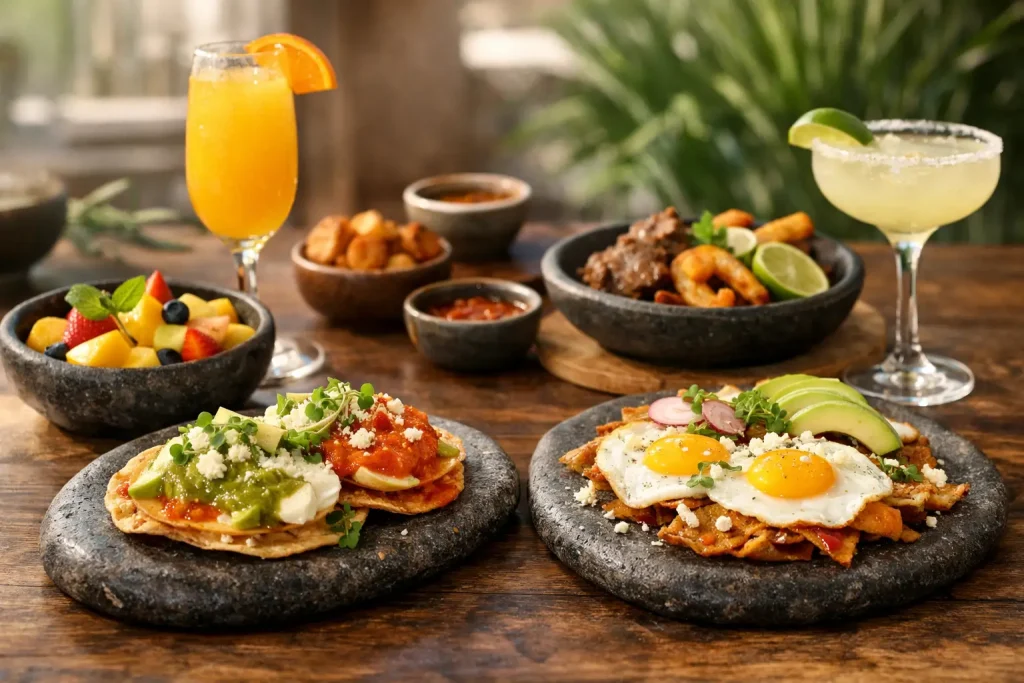
Brunch should feel like a reward, not a rushed errand between weekend plans. When people search for mexican and latin brunch rapid city, they are usually hoping for more than eggs on a plate. They want warmth, color, spice, texture, and that rare sense that a meal has been prepared with intention from the first cup of coffee to the last bite.
That is exactly where Latin brunch stands apart. A thoughtful brunch rooted in Mexico and the wider traditions of Latin America brings depth that standard breakfast menus often miss. It can be comforting and celebratory at once – familiar enough to crave, layered enough to remember.
What makes mexican and latin brunch in Rapid City worth seeking out
The best Mexican and Latin brunch in Rapid City is not defined by heat alone, and it is not simply lunch food served before noon. Its character comes from contrast. You might taste creamy yolk against bright salsa, crisp plantains beside slow-cooked meats, fresh herbs over rich sauces, or sweet notes that soften savory spice.
That balance matters. Latin cuisine carries a long tradition of combining bold seasoning with patience and restraint. A brunch plate may look vibrant, but the real beauty is in how each ingredient earns its place. Corn, beans, peppers, avocado, citrus, fresh cheese, cassava, plantains, crema, and carefully prepared proteins all bring something distinct to the table.
For diners in and around Rapid City, that means brunch can become a full dining experience rather than a quick stop. It is especially appealing for couples, visitors, and locals who want a meal with personality. A slower brunch invites conversation, another round of drinks, and the pleasure of tasting something made to order rather than assembled for speed.
Brunch dishes that tell a deeper story
A memorable brunch menu should not read like a generic breakfast list with a few peppers added. The dishes should reflect heritage, technique, and ingredients that carry cultural meaning.
Take chilaquiles, one of the clearest examples of why Mexican brunch has such staying power. At first glance, the dish seems simple – tortillas, salsa, eggs, perhaps crema and cheese. But the quality of chilaquiles depends on timing, texture, and sauce. The tortillas must soften without turning lifeless. The salsa must bring brightness, depth, and enough body to coat each bite. Add a properly cooked egg and the whole plate becomes both rustic and refined.
Plantains offer another kind of brunch pleasure. Their sweetness deepens as they caramelize, which makes them a natural partner for savory meats, eggs, and creamy sauces. In many Latin kitchens, plantains are not a novelty side. They are part of the emotional fabric of the meal, carrying memory and comfort while still feeling elegant on the plate.
Then there are dishes built around slow-cooked proteins. Braised pork, seasoned beef, or shredded chicken can transform brunch from light fare into something more generous. This matters for guests making brunch the centerpiece of the day, especially those driving in from nearby communities who want the outing to feel worthwhile.
Peruvian and Honduran influences can also enrich a Latin brunch menu in ways many diners do not expect. Aji-based sauces, yuca, crema, tropical notes, and carefully spiced meats create variety beyond the usual breakfast format. The result is not confusion or fusion for its own sake. When done well, it feels coherent – a broader Latin table where traditions speak to each other naturally.
Ingredients that elevate the experience
When a brunch restaurant takes ingredients seriously, guests can taste the difference immediately. Freshness is not just a selling point in Latin cuisine. It shapes the entire rhythm of the meal.
Avocado should taste creamy and clean, not tired. Herbs should brighten the plate instead of serving as decoration. Salsas should have character, whether smoky, tangy, herbal, or deeply roasted. Corn should bring real flavor. Even something as familiar as beans can be transformative when seasoned properly and prepared with care.
Eggs matter, too, more than many restaurants allow. In a chef-driven brunch, eggs are not filler. Their texture affects the entire composition of a dish. A soft scramble, a jammy yolk, or a crisp-edged fried egg can shift how sauce, starch, and protein meet in each bite.
For guests with dietary concerns, ingredient transparency is part of hospitality. Many Latin dishes naturally lend themselves to gluten-free dining when handled carefully, especially those centered on corn, rice, beans, meats, vegetables, and fresh sauces. That said, gluten-free does depend on preparation methods, kitchen practices, and cross-contact awareness. A thoughtful brunch service should communicate clearly so guests with celiac disease or gluten sensitivity can order with confidence.
The atmosphere matters as much as the plate
A good brunch can satisfy hunger. A great one changes the pace of your day.
That is why atmosphere is so important when choosing mexican and latin brunch rapid city options. Guests looking for a real dining experience often want something polished but comfortable, where service feels attentive and the room invites them to settle in. The best brunch spaces understand that hospitality is not only about efficiency. It is about reading the table, pacing courses well, and allowing people to enjoy the occasion.
This is especially true for celebrations, date mornings, and weekend visits with family. If the tone is too hurried, the meal loses its romance. If it is too formal, brunch can feel stiff. The sweet spot is warm, elegant service with enough ease that guests can linger over coffee, cocktails, and a second look at the dessert menu.
At Catrachos Latin Cuisine, that philosophy shapes the dining experience as much as the menu itself. Brunch is treated as an occasion – chef-led, made to order, and grounded in the flavors of Honduras, Peru, Mexico, Spain, and the broader Latin table. For diners who care about craft, that slower rhythm is part of the pleasure.
Why slower brunch is often better
There is always a trade-off in dining. Fast service can be convenient, especially for travelers on a tight schedule or families moving between activities. But convenience rarely creates a memorable meal.
A slower brunch model usually means fresher preparation, more thoughtful plating, and food that arrives with its textures intact. Sauces taste brighter. Proteins feel properly rested and seasoned. Garnishes are placed because they belong there, not because every plate needs something green.
For guests, the only real requirement is expectation. If you are choosing a chef-driven Latin brunch, it helps to arrive ready to enjoy the pace rather than race it. Reservations can also make a difference, particularly during busy weekend hours when diners are planning birthdays, reunions, or a special morning out.
That pace supports better hospitality, too. It gives staff time to answer questions about ingredients, spice level, and allergen concerns. It allows guests to explore a menu that may offer more nuance than a typical breakfast restaurant. And it creates room for those small details that make people come back.
How to choose the right Latin brunch dish for your mood
Some brunch guests want comfort. Others want surprise. The right order depends on what kind of meal you want the morning to become.
If you are craving richness, look for dishes built around eggs, sauce, and slow-cooked meat. These tend to feel grounding and deeply satisfying. If you prefer something brighter, options with citrus, fresh herbs, avocado, or lighter proteins may be a better fit.
Sweet-savory combinations are ideal for diners who want contrast without overwhelming spice. Plantains, crema, and fruit-forward elements can soften the edges of a more savory plate beautifully. On the other hand, if you are visiting specifically for bold flavor, roasted salsas, aji sauces, and dishes with layered seasoning will likely be the most exciting choices.
And if gluten-free dining is part of your decision, brunch can be one of the most enjoyable times to eat Latin cuisine. Many naturally gluten-free ingredients already belong to the tradition. The key is asking the right questions and choosing a restaurant that treats dietary needs with respect rather than as an afterthought.
A truly memorable brunch leaves you feeling cared for, not just full. It gives you flavor with meaning, hospitality with grace, and dishes that taste like someone took the time to get them right. If that is what you want from your next weekend meal, choose a table where the coffee is poured with warmth, the food arrives with intention, and the story on the plate is as satisfying as the meal itself.