
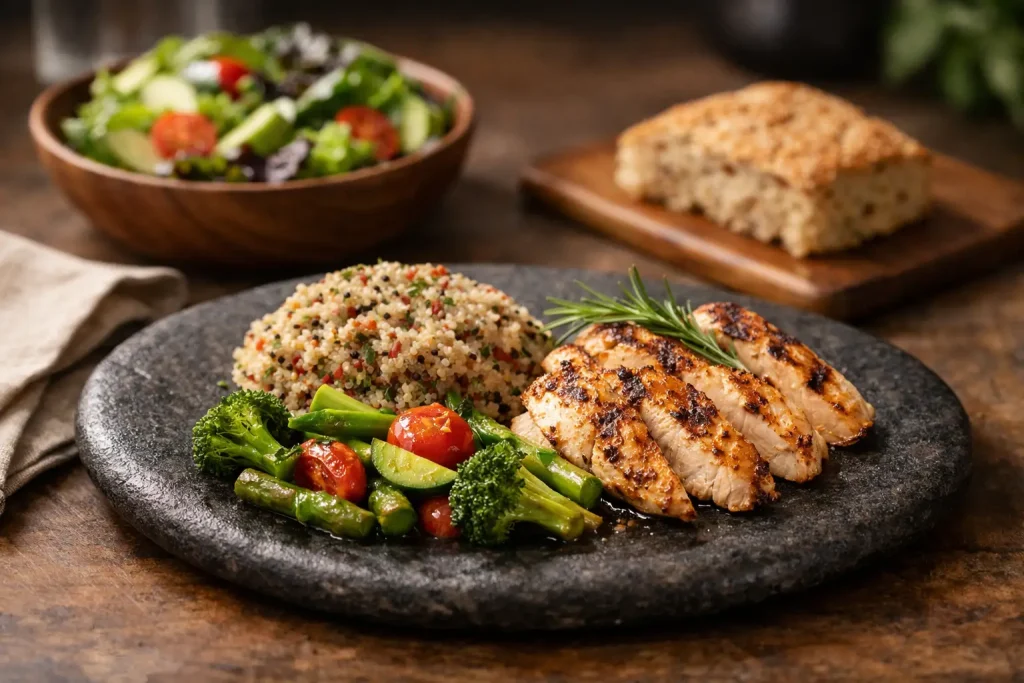
For someone with celiac disease, ordering dinner is rarely just about craving, mood, or occasion. It starts with a quieter question: what is celiac safe dining, really, and how can you tell when a restaurant truly understands it? That question matters because the difference between gluten-free on paper and celiac-safe in practice can shape whether a meal feels joyful, stressful, or simply off-limits.
Celiac-safe dining is not a trend, a menu label, or a casual preference. It means a restaurant understands that even a small amount of gluten can trigger a serious autoimmune response. That changes everything from how ingredients are sourced to how a sauce is finished, how a cutting board is handled, and how a server answers a guest’s questions.
What is celiac safe dining in a restaurant?
At its core, celiac-safe dining means a restaurant has systems in place to reduce the risk of gluten exposure as much as reasonably possible. That begins with ingredients, but it does not end there. Wheat, barley, rye, malt, and many hidden gluten-containing additives must be identified before a dish is ever offered to the guest.
The harder part is cross-contact. A dish can be made with naturally gluten-free ingredients and still not be safe for someone with celiac disease if it is cooked in shared oil, plated near flour, tossed with a spoon that touched pasta, or garnished after passing through a contaminated station. In other words, celiac-safe dining is operational, not just culinary.
That is why experienced diners often listen as closely to a restaurant’s confidence as to its menu. If the answer is simply, “We have gluten-free options,” that may not say enough. If the answer includes separate preparation practices, ingredient awareness, and honest communication about what can and cannot be done safely, trust tends to follow.
Why gluten-free and celiac-safe are not the same
This distinction is where many misunderstandings begin. Gluten-free can describe a recipe. Celiac-safe describes the entire path of the dish.
Corn, rice, beans, fresh vegetables, plantains, yuca, seafood, and grilled meats are all ingredients that can fit beautifully into gluten-free cooking. In Latin and Latin fusion cuisine especially, there are many naturally gluten-free elements that feel abundant rather than restrictive. But a beautiful ingredient is only part of the story. If a corn-based item shares a fryer with breaded foods, or if a marinade includes an unexpected thickener, the dish may no longer be appropriate for a guest with celiac disease.
That is why serious hospitality requires precision. Some dishes can be adapted with ease. Others cannot be modified without compromising safety or the integrity of the kitchen workflow. A thoughtful restaurant knows the difference and says so plainly.
What makes a restaurant feel safe for celiac diners?
Usually, it is not one grand gesture. It is a series of disciplined details.
A celiac-conscious restaurant trains staff to recognize the difference between avoiding gluten by choice and needing strict avoidance for medical reasons. The kitchen knows which ingredients need extra review, including spice blends, sauces, broths, dressings, and desserts. Separate utensils, clean pans, changed gloves, and careful plating are part of service, not special favors.
Equally important is tone. Guests with celiac disease often notice right away whether questions are welcomed or brushed aside. The safest dining rooms tend to communicate with calm clarity. They do not overpromise. They do not guess. They do not treat a dietary concern as an inconvenience. That kind of hospitality is elegant because it is attentive.
Ingredients matter, but systems matter more
A well-made dish may begin with vibrant ingredients, yet celiac safety depends on the systems around them. Consider a simple Latin-inspired plate of grilled chicken, arroz, black beans, and maduros. On the surface, it may look naturally gluten-free. Still, several questions remain. Was the chicken marinated with a gluten-containing sauce? Were the beans thickened or seasoned with a seasoning blend that includes wheat? Was the rice cooked with a stock that contains hidden gluten? Were the sweet plantains fried in dedicated oil?
This is where chef-driven restaurants often have an advantage. Made-to-order cooking creates more room for precision, and a kitchen that works from fresh ingredients can often trace what is in a dish more clearly than one relying heavily on pre-made components. That does not automatically make every item celiac-safe, but it can make thoughtful accommodations more realistic when the team is trained and the communication is strong.
A dish such as ceviche, for example, may appear straightforward because it centers on citrus, seafood, herbs, and fresh produce. Yet the safety still depends on what accompanies it, how it is plated, and what touches it in preparation. A composed plate can be refined and flavorful while still requiring careful review for gluten exposure.
What to ask when you are deciding where to dine
The best questions are specific without being adversarial. A guest does not need to interrogate the restaurant, but a little clarity goes a long way.
Asking whether the kitchen can accommodate celiac disease is more helpful than asking only if there are gluten-free dishes. Asking about shared fryers, hidden ingredients in sauces, and cross-contact procedures often reveals how prepared the team is. A strong answer usually sounds grounded and practical. It may include limitations, and that is actually a good sign. Honesty is safer than vague reassurance.
Timing can matter too. In a slower dining environment, where dishes are prepared with care and service is paced intentionally, there may be more room for detailed communication between server and kitchen. During peak rushes, even excellent restaurants can face extra pressure. That does not mean celiac diners should avoid dining out, only that clear expectations and a little patience can make the experience smoother for everyone.
What is celiac safe dining from the restaurant’s side?
From the restaurant’s perspective, celiac-safe dining is a promise of attention. It means the guest is not left to decode the plate alone.
That promise starts before service. Menus need accurate ingredient knowledge. Staff need training that goes beyond memorizing which items are gluten-free. Culinary teams need procedures for handling allergy and celiac requests consistently. Even language matters. Saying “this should be fine” is not the same as confirming that the dish is prepared according to established precautions.
It also requires humility. No restaurant should claim absolute safety unless it truly controls every possible point of exposure. In many kitchens, the more responsible stance is to explain the precautions taken and the remaining limitations. Guests with celiac disease often value candor as much as accommodation.
For a restaurant rooted in craftsmanship, this level of care is not separate from hospitality. It is part of it. Just as flavor, presentation, and pacing deserve intention, so does a guest’s trust.
Why this matters beyond the menu
When people ask what is celiac safe dining, they are often asking something larger: can I relax here? Can I celebrate here? Can I join the table without fear becoming the main course?
That emotional side of dining is easy to overlook if you do not live with dietary restrictions. For many guests, eating out has required compromise, awkward conversations, or meals that feel like afterthoughts. A restaurant that handles celiac concerns with grace offers something more meaningful than substitution. It offers inclusion.
And that does not have to diminish the beauty of the meal. In fact, some of the most memorable dishes are built from ingredients that are naturally expressive – charred vegetables, citrus-bright seafood, slow-braised meats, masa, beans, herbs, tropical fruit, and carefully layered spices. When those elements are treated with respect and prepared with discipline, safety and pleasure can share the same plate.
Celiac-safe dining, then, is not about stripping away the experience. It is about creating one that is both delicious and trustworthy. For guests in Rapid City and beyond who want a meal with depth, culture, and care, that distinction matters. A restaurant does not need to be everything to everyone. It does need to be honest, prepared, and genuinely attentive when a guest’s health is on the line.
The best dining experiences have always been built on trust, and for celiac diners, trust is every bit as essential as flavor.