
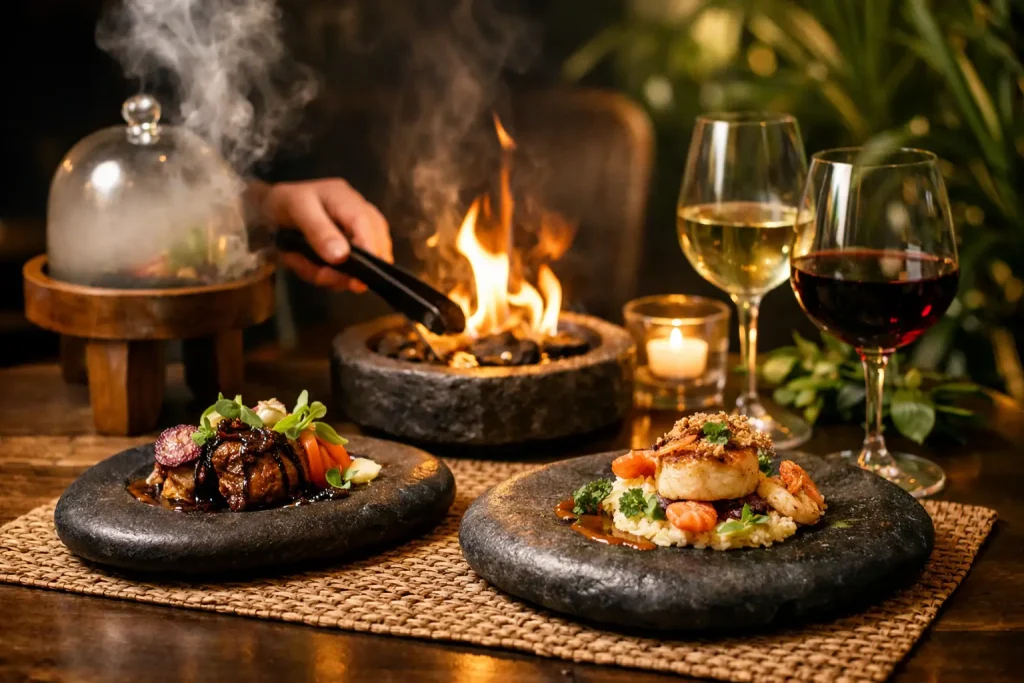
A memorable dinner usually starts before the first bite. It begins with the room, the pacing, the way a server describes a dish, and the feeling that someone thought carefully about what your evening should become. That is exactly why experiential dining trends are getting so much attention. Guests are no longer choosing restaurants on hunger alone. They are choosing places that offer atmosphere, story, craft, and a sense of occasion.
For diners, this shift is easy to understand. A meal out has become one of the few luxuries that still feels immediate and personal. You can taste the work, see the details, ask questions, and share the experience with someone across the table. For restaurants, the change asks for more than beautiful plating. It asks for intention at every stage of service.
Why experiential dining trends are growing
People want more from dining because they are often spending more, planning more, and expecting more. A quick meal still has its place, but when guests choose a chef-driven dinner, a thoughtful brunch, or a celebratory night out, they want to remember it afterward. They want a restaurant to feel distinct, not interchangeable.
That has pushed hospitality toward experiences that feel layered. Flavor still leads, of course, but it now works alongside music, design, storytelling, tableside moments, seasonal menus, and service that feels attentive without being stiff. The strongest restaurants understand that the guest is not simply ordering food. They are giving you their time, attention, and trust.
This is especially true in places where dining options may vary widely in style but not always in depth. In and around Rapid City, guests looking for something refined often want more than a full plate. They want food with personality, a room that invites them to stay, and service that makes a special occasion feel genuinely special.
The experiential dining trends guests actually notice
Some trends get a lot of industry attention but barely register with diners. Others are felt immediately, even if the guest never names them. The most meaningful experiential dining trends tend to share one trait: they make the guest feel more connected to the meal.
Storytelling on the plate
A dish becomes more memorable when it carries a sense of place, history, or tradition. That does not mean every plate needs a speech. It means the ingredients and presentation should tell the truth about what inspired them.
A Honduran-inspired preparation built around plantains, crema, fresh herbs, or slow-cooked meats can do more than satisfy appetite. It can evoke comfort, family tables, and regional identity. A Peruvian element such as aji amarillo or a bright citrus marinade can introduce contrast and lift. A Spanish influence might add richness, smokiness, or restraint. When these elements are handled with respect, guests can feel the difference. Fusion works best when it has roots.
Chef presence and visible craftsmanship
Many guests are drawn to restaurants where the cooking feels personal. They want to sense the hand behind the menu. That might come through chef specials, seasonal changes, thoughtful pairings, or a server who can explain why a dish is built the way it is.
This trend matters because it adds trust. A made-to-order meal feels different from one designed for speed and sameness. It tells the guest that freshness, timing, and detail are part of the value. In an upscale but welcoming dining room, that level of craftsmanship often becomes the experience itself.
Slower pacing, better evenings
Not every table wants a rushed experience. One of the clearest shifts in modern dining is the return of pacing as a luxury. Guests going out for date night, birthdays, anniversaries, or a long brunch often appreciate meals that unfold rather than fly by.
There is a trade-off here. Slow dining requires patience, especially on busy evenings. But when the room is comfortable, the service is communicative, and the food arrives at the right rhythm, guests usually understand the value. Good pacing lets cocktails, appetizers, main courses, and dessert feel like chapters instead of transactions.
Sensory detail beyond the food
Restaurants used to talk about ambiance as if it were background. It is no longer background. Lighting, music, table spacing, plateware, aroma, and visual presentation all shape how guests perceive flavor and hospitality.
This does not have to mean theatrical gimmicks. In fact, many diners prefer restraint. They want elegance, warmth, and a feeling that the room supports the cuisine. A polished environment allows color, texture, and aroma to carry more impact when the dish arrives.
Ingredients are becoming part of the experience
One of the most powerful shifts in dining is the growing interest in ingredients themselves. Guests are asking where flavors come from, how dishes are built, and why a certain pepper, sauce, or starch matters. That curiosity gives restaurants an opportunity to deepen the meal.
Take plantains, for example. For some guests, they are familiar and nostalgic. For others, they are a discovery. Their sweetness changes with ripeness, and their texture changes with technique. Fried green plantains bring structure and savory depth, while ripe plantains lean soft and caramelized. The same ingredient can create very different emotional responses on the plate.
Or consider chimichurri. It may seem simple at first glance, but a well-balanced version carries brightness, herbal freshness, acidity, and just enough bite to wake up grilled meats or vegetables. Aji amarillo offers another kind of complexity – fruity, warm, gently spicy, and unmistakably Peruvian. These are not just add-ons. They shape identity.
When a restaurant explains ingredients well, guests feel invited rather than tested. They do not need a lecture. They need enough context to order with confidence and enjoy with curiosity.
Experience now includes dietary trust
One of the quieter but more important experiential dining trends is the way restaurants handle dietary needs. For many guests, especially those with gluten sensitivity or celiac concerns, a night out can bring uncertainty. Hospitality means reducing that uncertainty.
This is where experience becomes practical. Clear communication from the staff, knowledge about ingredients, honesty about preparation, and thoughtful menu guidance all matter. Guests remember when a restaurant makes them feel safe without making them feel difficult.
There is nuance here. Not every kitchen can accommodate every request in the same way, and responsible restaurants should never overpromise. But diners value transparency. A polished dining experience is not only about beauty and flavor. It is also about trust.
What diners want from restaurants now
The modern guest often wants two things at once. They want refinement, and they want warmth. They want food that looks beautiful, but they do not want to feel as though they are in a museum. They appreciate knowledgeable service, but they do not want a rehearsed performance.
That balance is where the best restaurants stand apart. They understand that elegance and comfort can coexist. A chef-driven menu can still feel inviting. Cultural storytelling can still be accessible. Premium hospitality does not have to feel distant.
For Latin cuisine in particular, this creates exciting possibilities. The region offers extraordinary depth – bright acids, slow braises, ancestral ingredients, tropical fruit, seafood traditions, masa, herbs, smoke, spice, and layered sauces. When these elements are treated with care, they naturally lend themselves to experiential dining because they already carry story, memory, and sensory richness.
Where experiential dining trends go next
The next phase of dining will likely be less about novelty for its own sake and more about clarity of identity. Guests are getting better at recognizing the difference between a concept that is designed for social media and a restaurant that is designed for real pleasure.
They are more interested in meals that feel grounded. Seasonal specials make sense when they reflect what is freshest. tableside moments work when they add aroma, texture, or hospitality rather than spectacle. Beverage programs matter when they complement the menu instead of competing with it. The trend is moving toward experiences with substance.
That is good news for restaurants that cook with intention. It rewards places that honor tradition, train their staff well, pace the meal thoughtfully, and treat each plate as part of a larger conversation with the guest. At Catrachos Latin Cuisine, that philosophy is central to the table – not simply serving dinner, but shaping an evening people will want to return to.
If you are choosing where to dine next, look past the buzzwords. Look for the restaurant that makes you feel cared for, curious, and fully present from the first welcome to the last bite of dessert. That is where the real experience begins.