
A baleada folded warm off the griddle tells you more about Honduras than a textbook ever could. In one bite, honduran cuisine traditions explained becomes less of a phrase and more of a living experience – flour tortilla, creamy beans, salty cheese, and the kind of balance that comes from generations of home cooking, street food, and regional identity.
For many American diners, Honduran food is still an introduction waiting to happen. That is part of what makes it so memorable. The cuisine is deeply comforting, but it is never one-note. It carries Indigenous roots, African influence along the coast, Spanish colonial history, and the practical wisdom of cooks who know how to build richness from corn, beans, plantains, fresh dairy, seafood, herbs, and slow attention.
Honduran cuisine traditions explained through the table
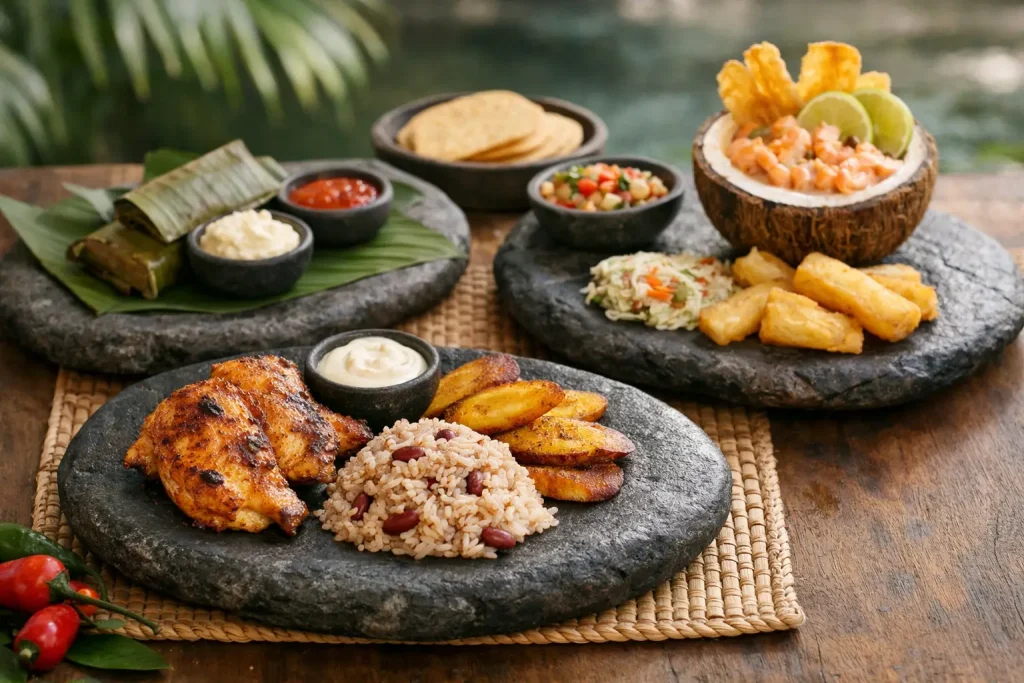
Honduran cooking begins with staples that appear again and again, each one playing a precise role. Corn is foundational, especially in tortillas, tamales, and masa-based preparations. Beans, often red beans, bring body and earthiness. Plantains move easily between savory and sweet, showing up fried, mashed, or turned into chips. Fresh cheese, crema, eggs, avocado, cabbage, and bright salsas round out meals with contrast.
This is food shaped by daily life as much as celebration. Many dishes are designed to satisfy, stretch ingredients, and feed a household generously. That does not make them simple in the lesser sense. It means they are thoughtful. Honduran food often builds flavor through layering rather than excess – soft against crisp, creamy against acidic, mild starch against a punch of pickled onion or chile.
Regional differences matter. Coastal cooking leans into seafood, coconut milk, and cassava. Inland tables may feel heartier, with grilled meats, beans, dairy, and corn taking center stage. So when someone asks what Honduran food is, the honest answer is that it depends on where you are, who is cooking, and what time of day you arrive.
The baleada and what it reveals
If one dish opens the door for most guests, it is the baleada. At its core, it is a thick flour tortilla folded around refried beans, crumbled cheese, and crema. From there, additions such as eggs, avocado, chorizo, or meat can shift it from humble breakfast to substantial meal.
What makes the baleada important is not only its popularity. It captures a central Honduran instinct – warmth, softness, freshness, and balance. The tortilla should be tender, not dry. The beans should be seasoned but not muddy. The cheese and crema should bring tang and richness, not overwhelm. It is a dish that looks modest and tastes complete.
That restraint matters. Honduran food is often misunderstood by people expecting aggressive heat or heavily sauced plates. There is heat in the cuisine, yes, but it is usually optional or situational. The larger story is comfort, texture, and ingredients allowed to speak clearly.
Why beans, cheese, and crema matter so much
These are not filler ingredients. They are part of the daily grammar of Honduran cooking. Beans provide protein, depth, and a sense of home. Fresh cheese adds salt and texture. Crema softens edges and ties flavors together. You see the same logic across many dishes: hearty base, dairy richness, fresh garnish, and a final acidic or herbal note to keep the plate lively.
Corn, masa, and the memory of the kitchen
Corn is more than an ingredient in Honduras. It is heritage. Tortillas anchor meals. Tamales wrapped in banana leaves carry celebration and family labor. Montucas, a style of corn tamal, show how familiar ingredients can become deeply regional expressions.
Masa-based cooking asks for patience. Texture matters as much as flavor. Too dense, and the dish loses tenderness. Too loose, and it loses structure. Traditional cooks learn by hand, by feel, by repetition. That kind of culinary memory is one reason Honduran food carries such emotional force for those who grew up with it.
There is also beauty in the way corn supports other flavors. It gives a warm, grounded backdrop to meats, beans, vegetables, and sauces. Rather than stealing attention, it creates harmony. In a chef-driven setting, honoring that role is essential. Refinement should sharpen the tradition, not erase its soul.
Plantains, cassava, and the coastal voice
No explanation of Honduran cuisine is complete without plantains. Fried green plantains become crisp and savory, often served alongside beans, meats, or dips. Sweet ripe plantains caramelize and soften, bringing dessert-like richness to savory plates. That flexibility is one of the reasons they remain so beloved.
Cassava, or yuca, tells another part of the story, especially near the Caribbean coast. It appears boiled, fried, or paired with seafood and pickled cabbage in dishes that feel both rustic and vibrant. Compared with potatoes, cassava has a more distinctive texture and a subtle sweetness, and it pairs especially well with bright acidity.
On the coast, coconut enters the conversation in a serious way. Seafood soups and stews often gain depth from coconut milk, which lends silkiness without dulling the freshness of fish or shellfish. The result is layered and aromatic rather than heavy.
Tapado and machuca
Tapado, a coconut-rich seafood stew, is one of the clearest examples of coastal abundance. Fish, shellfish, plantains, yuca, and coconut broth come together in a dish that feels generous and deeply tied to place. Machuca, often associated with Garifuna culinary traditions, combines mashed plantain with seafood soup in a way that is both nourishing and culturally significant.
These dishes remind us that Honduran food is not one uniform tradition. It includes Afro-Caribbean influence, local agriculture, and regional methods that can vary dramatically from the inland table.
Street food, celebration food, and daily food
Part of what makes Honduran cuisine so compelling is the way it moves across settings. Some dishes are quick and casual, made for busy mornings or late-night hunger. Others belong to holidays, family gatherings, and weekends when the kitchen becomes a shared workspace.
Antojitos such as pastelitos, tajadas, and fried yuca carry the energy of street food – crisp edges, bold garnishes, immediate pleasure. Sopa de caracol and tamales speak more to occasion and regional pride. Pollo chuco, with fried chicken, cabbage, sauces, and plantains or chips, shows how satisfying contrast can be when crunch, acidity, richness, and starch meet on one plate.
This range matters for diners who are new to the cuisine. Honduran food is not limited to one mood. It can be comforting and celebratory, simple and elegant, rustic and polished. The common thread is intention.
Honduran flavors are balanced, not loud
Many people approach Latin American food expecting constant spice. Honduran cooking usually takes a more measured route. Garlic, onion, cumin, cilantro, annatto, and citrus often do more work than raw heat. Pickled onions, cabbage slaws, and fresh salsas add brightness. Chiles are present, but they tend to accent rather than dominate.
That balance is part of the cuisine’s sophistication. A dish does not need to be fiery to be expressive. Sometimes the most memorable bite is a quiet one – a warm tortilla, a spoonful of beans, a crumble of salty cheese, a little crema, and a flash of acid at the end.
For guests with dietary considerations, this style can also be approachable, though every kitchen handles ingredients differently. Corn-based dishes may feel naturally friendly to gluten-free diners, while flour tortillas, breading, or cross-contact can change the equation. Asking questions is never out of place in a thoughtful dining room.
Why these traditions still matter in modern dining
When Honduran dishes appear in a more refined restaurant setting, the goal should not be to make them unrecognizable. The goal is to honor their structure, improve execution, and present them with care. Better sourcing, sharper technique, and elegant plating can elevate a dish, but only if the original logic remains intact.
That is where tradition becomes powerful rather than static. A chef can draw from baleadas, coastal stews, tamales, plantain preparations, and bean-based comforts while still responding to seasonality and the expectations of a modern dining experience. In the right hands, heritage and innovation are not opposites.
At Catrachos Latin Cuisine, that conversation matters because guests are not only ordering dinner. They are tasting a story carried through ingredients, memory, and craft. Honduran cuisine rewards that kind of attention.
The best way to understand these traditions is still the simplest one: order with curiosity, eat slowly, and notice how much care can live inside ingredients that have fed families for generations.