
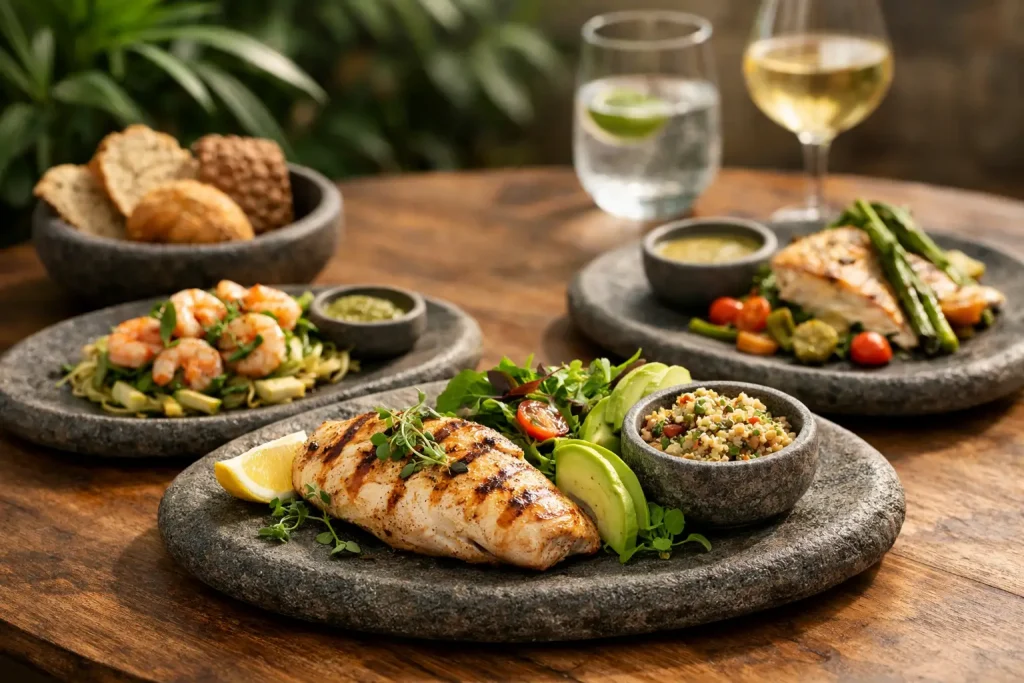
For many diners, the question is not simply whether a menu has gluten-free dishes. It is whether a restaurant can offer an experience that feels genuinely gluten free or celiac friendly – careful, informed, and still full of pleasure. That difference matters, especially when dining out is meant to feel celebratory rather than stressful.
A beautifully prepared meal should invite ease. But for guests with celiac disease or serious gluten sensitivity, ease comes from trust. It comes from knowing that ingredients have been chosen thoughtfully, that preparation has been considered just as carefully as flavor, and that the staff understands why a small detail can make a major difference.
In a chef-driven Latin kitchen, this conversation becomes especially interesting. Latin cuisine is rich with naturally gluten-free ingredients – corn, rice, beans, yuca, plantains, fresh seafood, meats, herbs, chilies, tropical fruit – yet not every dish is automatically safe for every guest. Traditional cooking offers many possibilities, but celiac-conscious dining still depends on the discipline of the kitchen and the clarity of communication.
What gluten free or celiac friendly really means
These terms are often used together, but they are not always interchangeable in practice. Gluten-free usually describes food made without gluten-containing ingredients such as wheat, barley, or rye. Celiac friendly suggests a higher level of care around cross-contact, kitchen handling, shared surfaces, fryer use, sauces, and hidden ingredients.
That distinction is where many diners feel the difference between being accommodated and being truly welcomed. A dish may be built from naturally gluten-free ingredients, yet still fall short for someone with celiac disease if it shares a grill, fryer, cutting board, or utensil with gluten-containing food. In other words, the ingredient list is only the beginning.
For a restaurant that values hospitality, this is not a small technicality. It is part of service. A guest asking detailed questions about flour, marinades, or preparation methods is not being difficult. They are trying to dine safely, and the best dining rooms understand that safety and pleasure can belong at the same table.
Latin ingredients that naturally support celiac-friendly dining
One of the most beautiful things about Latin cuisine is that so many foundational ingredients are naturally free of gluten. Corn is a clear example. Fresh corn tortillas, masa-based preparations, arepas in some traditions, and tamales depending on the recipe can offer texture and depth without relying on wheat. Rice and beans bring comfort and substance. Yuca, cassava, plantains, potatoes, avocado, citrus, fresh herbs, and roasted vegetables all create room for flavor without compromise.
Seafood and meats can also be excellent choices when they are simply seasoned and carefully cooked. A bright ceviche, grilled steak with chimichurri, roasted chicken with achiote, or shrimp prepared with garlic, citrus, and herbs can feel abundant and elegant while remaining accessible for gluten-conscious guests.
Still, tradition does not remove the need for scrutiny. Some marinades include soy sauce. Some sauces are thickened. Some tortillas are warmed on shared surfaces. Some chips are fried in oil that also handles breaded foods. Even desserts, which may look naturally safe, can involve hidden flour or contact in prep areas. The ingredients may be promising, but the kitchen process determines whether the dish remains suitable.
A dish can be naturally gluten-free and still require care
Take a simple plate many guests would expect to be safe: grilled protein, rice, beans, and salsa. On paper, it sounds straightforward. But the details matter. Was the protein marinated with anything containing gluten? Are the beans prepared without thickening agents or seasoning blends that hide wheat? Are the rice and beans scooped with utensils also used elsewhere? Was the salsa made in-house with a clean prep process?
This is why serious diners often ask specific questions instead of relying on broad labels. And frankly, that is a good sign. Thoughtful questions create better hospitality because they invite a thoughtful response.
How a restaurant becomes celiac friendly, not just gluten aware
A genuinely celiac-friendly approach starts long before the plate reaches the table. It begins with product knowledge. Staff should know which ingredients contain gluten, which ingredients may be at risk of hidden gluten, and which dishes can be modified responsibly. Guesswork has no place in this conversation.
From there, kitchen habits become essential. Separate utensils, clean pans, fresh gloves, dedicated prep areas when possible, and caution around shared fryers all help reduce risk. Not every restaurant can promise a completely gluten-free environment, and honesty matters there. But even when a kitchen contains gluten, a disciplined team can often serve many guests safely by following clear procedures and speaking transparently about limits.
That honesty is part of refinement. Guests do not need perfection claims. They need candor, care, and consistency. If a dish cannot be prepared safely for someone with celiac disease, the right answer is not a vague reassurance. It is a respectful explanation and a better recommendation.
Service matters as much as ingredients
In an upscale dining setting, hospitality is not only about polish. It is about attentiveness. A server who listens carefully, checks with the kitchen, and returns with precise guidance offers something deeply valuable: peace of mind.
This is especially true for couples celebrating an evening out, travelers looking for a memorable meal, or local guests choosing a restaurant for brunch or dinner with family. Dietary needs should not force anyone into a lesser experience. The goal is still pleasure – beautiful plating, vibrant flavor, balanced seasoning, and a sense that the meal was prepared with intention.
At Catrachos Latin Cuisine, that guest-first mindset matters because the meal is meant to feel personal. Latin food carries memory, craft, and identity. When dietary care is woven into that experience, the result feels generous rather than restrictive.
What guests should ask when dining gluten free or celiac friendly
The best questions are simple and direct. Ask whether the dish contains wheat, barley, or rye. Ask whether it is prepared on shared surfaces or in a shared fryer. Ask whether sauces, dressings, or marinades are made in-house and whether they contain flour or soy sauce. Ask whether tortillas, chips, or sides are handled separately.
There is no need to apologize for asking. In a thoughtful restaurant, these questions are part of normal service. They help the kitchen guide you toward dishes that fit your needs without diminishing the quality of your meal.
It also helps to share the level of your sensitivity. Saying “I have celiac disease” gives the team a clearer standard than simply saying “I avoid gluten.” Those details shape how the kitchen responds.
The trade-offs guests should understand
Not every dish can or should be modified. Sometimes the soul of a dish lives in a sauce, a bread component, or a preparation method that does not translate well without changing the experience entirely. In those cases, the better path is often to choose a dish that is already aligned with your needs rather than forcing a dramatic substitution.
This can actually lead to a better meal. Chef-led restaurants tend to build dishes with balance in mind. Removing one element may affect texture, acidity, heat, or richness. A strong kitchen will tell you when a modification works beautifully and when a different selection will serve you better.
That is not inflexibility. It is culinary respect. And for guests who care about both safety and flavor, that honesty is worth far more than a reluctant yes.
Dining well should still feel joyful
There is a quiet relief in sitting down to a meal and feeling understood. Not managed, not hurried, not treated like an exception – simply welcomed. For gluten-free and celiac-conscious diners, that welcome often lives in the smallest details: a clear answer, a careful preparation, a server who does not rush the conversation, a plate that arrives complete and beautiful.
Good dining has always been about more than eating. It is about trust, attention, and the feeling that someone has taken care with your experience. When a restaurant honors that standard, gluten free or celiac friendly dining stops feeling like a limitation and starts feeling the way it should – gracious, satisfying, and worthy of the occasion.
If you are planning your next brunch, dinner, or special evening out, ask the questions that help you feel confident. A thoughtful kitchen will meet you there, and the right meal will do what all memorable meals do: let you relax, savor, and stay present at the table.