
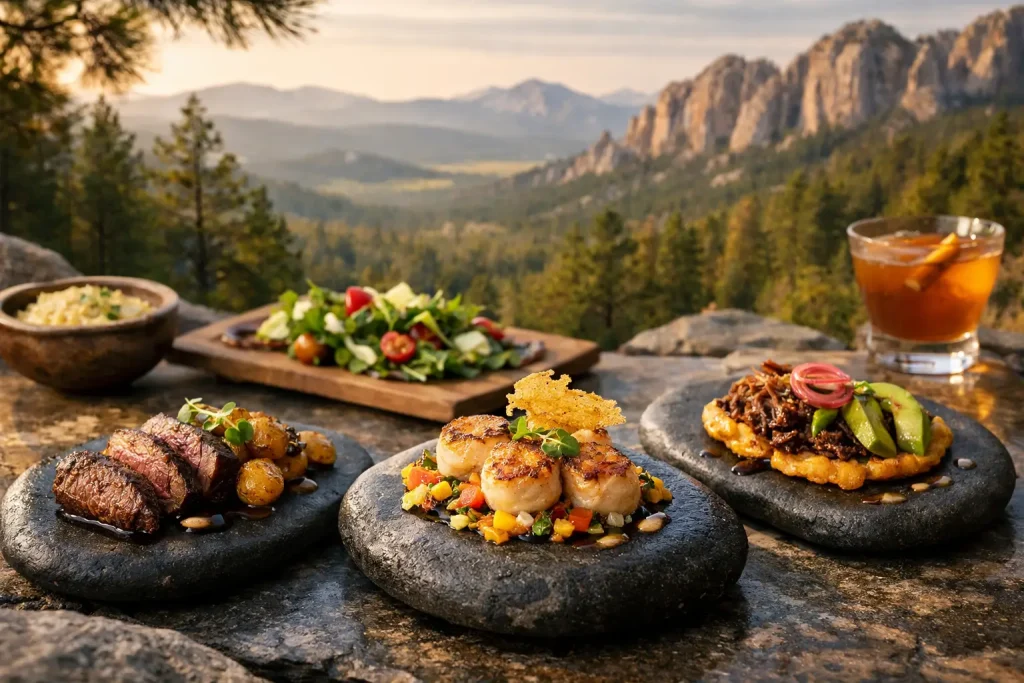
A memorable meal in the Black Hills is not defined by how quickly it reaches the table. It is defined by the moment a familiar ingredient tastes newly alive, when a dish carries the warmth of a family kitchen while arriving with the care of a chef’s table. For diners seeking the best food in Black Hills, the most rewarding places are those that offer more than a full plate. They offer a point of view.
That point of view matters in a region known for grand landscapes, long drives, and days spent outdoors. After the trails, monuments, scenic byways, and small-town stops, dinner should feel like an occasion. It should have color, fragrance, texture, and a sense of place. It should give visitors something to talk about on the drive home and give locals a reason to return for the next seasonal menu.
What Makes the Best Food in Black Hills Worth Seeking Out
The word “best” is personal. One guest wants a generous, comforting meal after a day of hiking. Another is planning a date night and wants attentive service, an expressive wine or cocktail pairing, and a plate that feels special from the first glance. A family may be looking for flavors that welcome everyone to the table, including guests with gluten sensitivities or other dietary needs.
Still, the finest dining experiences tend to share a few qualities: food prepared to order, ingredients treated with respect, a kitchen with a clear culinary identity, and hospitality that never makes guests feel rushed. The best meals are intentional. There is a reason for the char on a pepper, the brightness of a citrus sauce, the slow-cooked depth of a braise, or the final scatter of herbs that wakes up a rich dish.
Chef-driven Latin cuisine belongs naturally in that conversation because it is built on contrast. It can be earthy and bright, fiery and cooling, rustic and refined. Corn, plantains, chiles, citrus, beans, seafood, fresh herbs, slow-cooked meats, and aromatic spices each bring their own history to the plate. When used with knowledge rather than novelty, they create food with real dimension.
A Latin Table Holds More Than One Tradition
Latin American cuisine is often spoken of as if it were one category. In reality, it is a wide culinary landscape shaped by Indigenous ingredients, migration, regional agriculture, coastal cooking, highland traditions, and generations of home cooks and professional chefs. Honduras, Peru, Mexico, Spain, and the broader Latin world each bring distinctive techniques and flavors to the table.
That diversity is what makes a thoughtfully composed Latin fusion menu so compelling. Fusion should not mean mixing ingredients simply because they are unexpected. At its best, it begins with an understanding of each tradition and asks a more thoughtful question: what flavors genuinely belong in conversation?
A Honduran-inspired preparation may bring the grounding sweetness of plantains or the comforting character of slow-simmered beans. Peruvian influence may introduce lively acidity, carefully balanced chiles, or the clean, briny appeal of seafood. Mexican culinary traditions offer extraordinary regional depth through corn, moles, salsas, and the skilled use of heat. Spanish influences can contribute a respect for shared plates, saffron, olive oil, cured elements, and patient technique.
The result should never feel confused. A well-built dish has a center. Every element supports the next, whether the goal is a bright, fresh opening course or a deeply satisfying entrée.
Ingredients Are the Beginning of the Experience
Exceptional food begins long before a guest sits down. It starts with ingredient selection and the decisions made in the kitchen each day. A ripe avocado has a different richness than one chosen too early. Fresh lime does more than add sourness – it sharpens, lifts, and brings structure to a dish. A chile can offer smoke, fruit, warmth, or a lingering burn, depending on how it is handled.
Seasonality also matters. Menus should have room to move with what is at its best, what inspires the chef, and what suits the rhythm of the year. That may mean a lighter, herb-forward dish in warmer months or a more slowly developed, comforting preparation when the weather turns cold. A rotating menu gives guests a reason to be curious, while familiar touchstones provide the pleasure of return.
For diners, this is the difference between food that is merely available and food that is alive. You can taste when a kitchen is paying attention.
Why Slow Dining Changes the Meal
Not every meal needs to be slow. There is a time for a quick lunch, a counter-service stop, or something easy to take on the road. But when the purpose is celebration, connection, or culinary discovery, a slower pace is a gift.
Slow dining allows a kitchen to prepare food with greater care and gives guests time to experience it fully. The first course can set the tone. Drinks can arrive before the table is crowded with plates. Conversation can stretch between bites. Dessert can become part of the evening rather than an afterthought.
For those accustomed to speed-first dining, this approach asks for a little patience. The trade-off is meaningful: dishes made to order often require time, especially when sauces, proteins, and composed elements are prepared with precision. A great restaurant does not leave guests wondering what is happening. It sets expectations warmly, offers attentive service, and makes the pace feel intentional rather than delayed.
At Catrachos Latin Cuisine in Rapid City, that philosophy is part of the experience. The menu draws from multiple Latin culinary traditions while keeping the focus on freshness, artistry, and the pleasure of gathering around a table. It is a setting for a lingering brunch, a celebratory dinner, or an evening when a meal deserves more attention than a hurried stop between plans.
How to Choose a Meal That Fits Your Evening
The best dining choice depends on what you want from the night. If you are visiting the Black Hills for a short stay, look for a restaurant that can give you a true sense of the region’s growing food culture rather than a meal you could find anywhere. If you live nearby, seek a place with enough menu movement and kitchen creativity to reward repeat visits.
For a date night, consider the full atmosphere: lighting, pacing, beverage options, desserts, and whether the service leaves room for conversation. For a celebration, reservations can make the evening feel more relaxed from the start, particularly on busy weekends or during travel season. If you are joining friends with dietary restrictions, ask about ingredients and preparation before ordering. Gluten-free and celiac-conscious dining require care beyond simply removing a visible ingredient, and a thoughtful restaurant will welcome the conversation.
There is also value in ordering with curiosity. Choose one familiar dish for comfort and one dish that introduces you to an ingredient, regional style, or preparation you have not tried before. Ask your server what is especially exciting that evening. A chef special or seasonal selection often reveals the kitchen at its most expressive.
The Meal You Remember Is Rarely the Simplest One
People remember the details: the perfume of roasted chiles, the silkiness of a sauce, the crisp edge of a plantain, the brightness that cuts through a rich bite. They remember being welcomed, being guided through unfamiliar flavors, and being given enough time to enjoy the people at the table.
The best food in the Black Hills is not just about finding something satisfying after a long day. It is about choosing a meal with character, craftsmanship, and cultural respect. Leave room in your itinerary for that kind of dinner. The landscape will stay with you, but a beautifully prepared meal can become part of the story you carry home.