
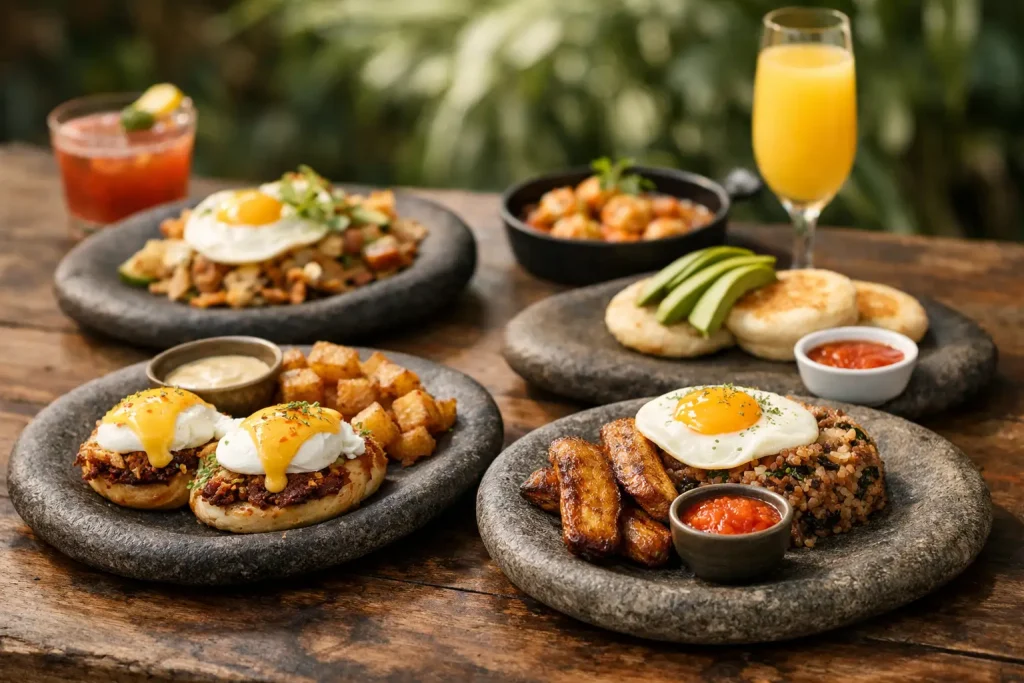
A memorable brunch begins before the first plate reaches the table. Knowing how to choose brunch dishes means listening to your appetite, noticing the rhythm of the day, and leaving room for the flavors that make a weekend meal feel like an occasion. A dish may be rich with slow-cooked comfort, brightened by citrus and herbs, or built around the simple pleasure of a perfectly prepared egg. The best choice is rarely the most familiar one. It is the one that suits your morning and gives you a story worth sharing afterward.
At Catrachos Latin Cuisine, brunch is approached with the same care as dinner: thoughtful ingredients, cultural inspiration, and a pace that invites guests to linger. Whether you are meeting friends after a Black Hills outing, planning a leisurely date, or gathering family around the table, a little intention can turn a meal into a true dining experience.
How to Choose Brunch Dishes for Your Appetite
Start with an honest question: are you hungry for a full meal, or are you looking for something lighter and more social? Brunch happens in the space between breakfast and lunch, so there is no single correct answer. A late riser who skipped breakfast may want a substantial plate with protein, eggs, potatoes, or warm tortillas. Someone joining friends after an early coffee may prefer a smaller dish with fresh produce, fruit, or a bright sauce.
Think about texture as much as portion size. A satisfying brunch plate often brings contrast: a crisp edge against a soft yolk, creamy avocado beside a smoky salsa, tender meat paired with a fresh, acidic garnish. Latin cooking offers especially generous possibilities here. Corn, plantains, chiles, beans, citrus, queso fresco, herbs, and carefully prepared meats can create a plate that feels deeply comforting without becoming one-note.
If the menu includes a dish that combines several rich elements, such as cheese, eggs, fried components, or a savory sauce, consider whether you want to enjoy it slowly as your main event. If your table plans to order dessert later or share several dishes, choosing one lighter, brighter entrée can make the entire meal feel more balanced.
Follow Flavor, Not Just Familiarity
It is easy to choose the brunch dish you recognize immediately. There is comfort in a classic egg plate or a dependable sweet breakfast favorite. Yet brunch is also a wonderful time to try an ingredient or preparation that may be new to you.
A menu rooted in Latin culinary traditions can introduce flavor through layers rather than sheer heat. Chile might bring fruitiness, smoke, or warmth. A salsa might offer tang and freshness. Beans can be earthy and silky, while plantains may lean sweet, savory, or caramelized depending on how they are prepared. Even a familiar ingredient such as corn becomes something more expressive when it appears as a hand-formed tortilla, a masa-based preparation, or a crisp garnish.
When reading a description, look for the words that tell you how a dish will feel on the palate. Roasted and braised often suggest depth. Charred, pickled, and citrus-marinated usually point toward brightness. Creamy sauces and melted cheese signal comfort, while fresh herbs, avocado, and salsa can bring lift. None of these qualities is better than another. The pleasure comes from matching the dish to your mood.
If you are uncertain, tell your server what you usually enjoy. A preference for smoky flavors, a love of spice, or a desire for something not overly heavy gives the kitchen and service team useful direction. Great hospitality should make discovery feel welcoming, not intimidating.
Choose a Plate That Fits the Table
Brunch is often a shared occasion, and the best ordering decisions consider what everyone else is choosing. If several people at the table want rich, savory dishes, one order with fresh vegetables, fruit, or a lively salsa can create a welcome contrast. If the group is leaning light, a heartier dish can become the centerpiece that everyone wants to taste.
Sharing works particularly well when each selection offers a different flavor direction. One guest might choose something egg-forward and savory, another a dish built around tender meat or a regional sauce, while someone else chooses a sweeter option or a lighter plate. The table becomes more interesting, and each person gets a few bites beyond their own order.
This does not mean every dish needs to be shared. Some plates are carefully composed and best enjoyed from beginning to end by one person. A good rule is to share when the group is curious and comfortable doing so, not because it feels expected. If you are celebrating, catching up with a friend, or enjoying a quiet meal for two, there is equal pleasure in ordering exactly what you want.
Let the Season Influence Your Choice
A chef-driven brunch menu may shift with ingredient availability and seasonal inspiration. That is not a complication. It is an invitation to notice what is especially good right now.
In warmer months, you may be drawn to dishes with bright produce, herbs, fresh salsas, and citrus. During cooler Rapid City mornings, slow-cooked flavors, warm corn preparations, deeply seasoned sauces, and comforting proteins can feel especially fitting. Seasonal changes may also affect garnishes, sauces, and the balance of a dish, even when a familiar favorite remains on the menu.
This is one reason to read the full description rather than ordering from the dish name alone. The details reveal the chef’s intention. A seasonal ingredient may be the element that brings sweetness, acidity, color, or a local sense of place to the plate.
Consider Spice With Curiosity
Spice is personal. Some diners want a lively chile presence; others want flavor without much heat. Fortunately, those are not opposing tastes. The most compelling Latin dishes often use chiles for complexity, aroma, and character, not simply intensity.
If a dish sounds appealing but you are unsure about heat, ask how the spice presents itself. Is it a slow warmth, a smoky chile flavor, or a sauce that can be served on the side? If you love heat, ask whether there is a chile salsa or accompaniment that can add another layer. This kind of conversation helps you choose confidently while honoring the way the dish was designed.
Avoid assuming that every dish from Latin America will be spicy, or that a mild dish lacks depth. Honduras, Peru, Mexico, Spain, and other culinary traditions across Latin America each bring distinct ingredients and techniques to the table. A well-composed brunch can be gentle and nuanced, boldly spicy, or somewhere beautifully in between.
Make Dietary Needs Part of the Conversation
Dietary considerations deserve clear, early communication, especially when you are dining somewhere that prepares food with layered sauces, marinades, masa, cheeses, and house-made components. If you are gluten-free, celiac-conscious, vegetarian, managing an allergy, or avoiding a particular ingredient, let your server know when you order.
A thoughtful kitchen can explain which preparations may suit your needs and where cross-contact concerns may exist. It is better to ask a specific question than make an assumption based on a dish name. For example, a dish that appears naturally gluten-free may include a sauce, garnish, or preparation detail that changes the answer. Likewise, a dish featuring vegetables may still be built on a meat-based stock or sauce.
The goal is not to narrow your experience. It is to make sure the dish you choose is both safe and genuinely enjoyable. Good brunch should leave you feeling cared for, not cautious.
Pair the Pace With the Plate
Brunch rewards diners who are not in a rush. A made-to-order plate deserves a few extra minutes because the details matter: the temperature of the food, the texture of a tortilla, the freshness of a garnish, and the final balance of a sauce. If you have a reservation, arrive ready to settle in. If you are joining a busy weekend service, allow enough time to enjoy the experience without watching the clock.
Beverages can shape the pace, too. Coffee is ideal when you want to savor savory, spiced, or chocolate-forward flavors. A refreshing nonalcoholic drink can pair beautifully with chiles and richer foods, while a brunch cocktail may suit a celebratory table. Consider the entire arc of the meal, including whether you want dessert afterward. A lingering finish is often part of the pleasure.
The next time you sit down for brunch, choose the dish that makes you pause for a second read. Ask about the ingredient you do not know, order for the appetite you truly have, and give the table time to enjoy every bright, smoky, comforting bite.