
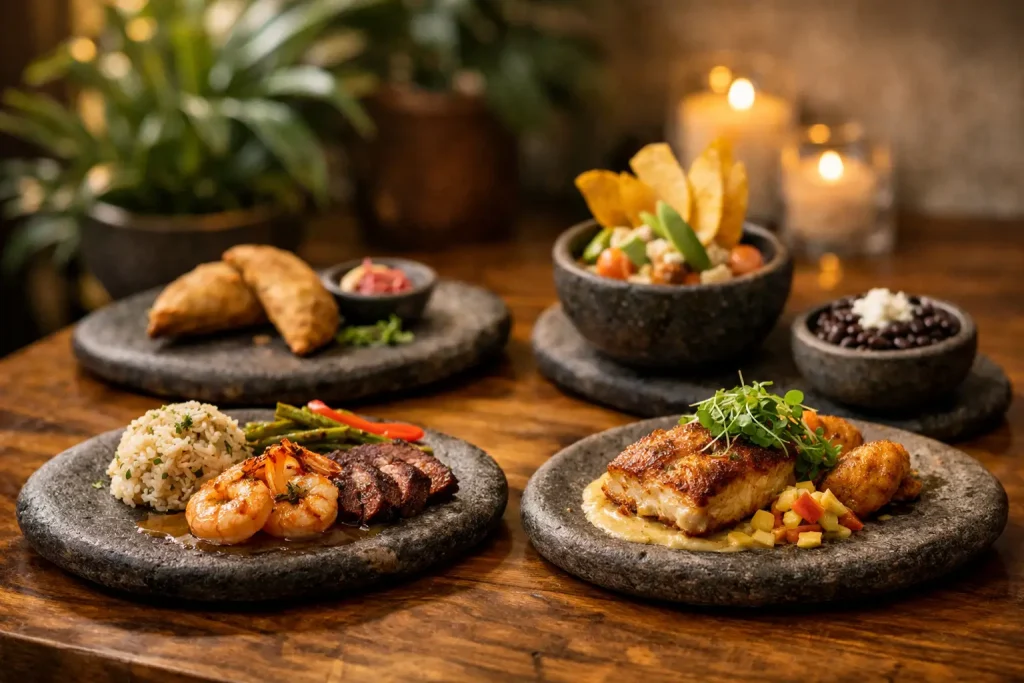
A memorable plate rarely begins when it reaches the table. It begins with the aroma of toasted chiles, the brightness of fresh citrus, the slow development of a sauce, and a chef’s decision to honor an ingredient rather than hide it. That is the spirit behind Latin cuisine Rapid City diners can experience at Catrachos Latin Cuisine: food shaped by heritage, prepared with care, and presented as an occasion worth lingering over.
Latin cooking is not one flavor or one country. It is a living conversation among regions, families, Indigenous ingredients, migration, celebration, and technique. A meal may carry the comforting depth of Honduran tradition, the lively acidity and seafood sensibility of Peru, the corn and chile foundations of Mexico, or the refined influence of Spain. When those traditions meet in a chef-driven kitchen, the result should still feel grounded. Fusion is most meaningful when every flavor has a reason to be there.
What Latin Cuisine in Rapid City Can Be
For many guests, Latin food first brings familiar images to mind: warm tortillas, grilled meats, rice, beans, salsa, and rich desserts. Those are welcome parts of the story, but they are only the beginning. Latin American gastronomy stretches across climates and coastlines, mountains and markets, with each region bringing its own ingredients and point of view.
Consider the difference a single ingredient can make. Plantains may be sliced and fried until crisp, mashed into a savory side, or allowed to caramelize into sweetness. Corn can become a soft masa-based foundation, a textured garnish, or a smoky grilled element. Chiles are not simply about heat. They can bring fruitiness, earthiness, smoke, warmth, or a long finish that unfolds after the first bite.
At its best, Latin cuisine gives every element of the plate a role. Acidity keeps richness in balance. Herbs bring lift. A slow-cooked sauce adds depth. Something crisp creates contrast against something tender. The dish feels generous without becoming heavy, expressive without becoming crowded.
The Honduran Table: Comfort, Generosity, and Flavor
Honduran food carries a beautiful sense of welcome. It is food meant to gather around, with ingredients that are honest, satisfying, and full of character. Beans, plantains, corn, rice, fresh cheese, herbs, seafood, and carefully seasoned proteins all have a place at the table.
A Honduran influence may appear through the creamy richness of refried beans, the sweetness of ripe plantains, or the irresistible contrast of a crisp fried element beside a tender filling. It can also be found in the way a meal is composed: abundance balanced with warmth, familiar ingredients treated with real attention, and flavors that invite another bite before the first has fully faded.
That sense of hospitality matters. An elevated dining room does not need to feel distant. A carefully plated dish can still carry the generosity of a family table, especially when the food is made to order and served with the patience it deserves.
Peru, Mexico, Spain, and the Beauty of Contrast
Peruvian cuisine is admired for its remarkable balance. Citrus, pepper, herbs, seafood, potatoes, corn, and bold sauces create food that can feel bright and deeply layered at once. A Peruvian-inspired preparation may lean into clean acidity, a creamy chile sauce, or the interplay of warm and cool textures.
Mexican culinary traditions bring an equally expansive vocabulary. The flavor of a good chile, the depth of toasted spices, the importance of masa, and the patient work behind a sauce all speak to a cuisine that deserves more than shortcuts. A great mole-style profile, for example, is not defined by one dramatic ingredient. It is shaped by balance: savory notes, gentle sweetness, spice, bitterness, and time.
Spain’s influence may emerge through technique and presentation, from tapas-inspired sharing to the careful use of seafood, olive oil, saffron, cured flavors, and seasonal produce. The point is not to place several countries on one plate for novelty. The point is to let compatible traditions create a thoughtful conversation.
The Ingredients That Tell the Story
An ingredient has its own personality, and the most satisfying dishes allow it to speak clearly. Fresh lime can sharpen a rich bite. Cilantro can bring a green, aromatic lift. Avocado can add silkiness, while pickled vegetables offer a welcome snap. Warm spices can be present without overwhelming the ingredient they support.
Many guests are especially drawn to dishes where contrast is intentional. Think of a tender protein with a crisp exterior, a smooth puree beside a fresh salsa, or a savory sauce brightened with citrus. These details are not decoration. They shape how the plate feels from the first forkful to the last.
Seasonality belongs in that conversation, too. A rotating menu lets a kitchen respond to ingredient quality, creative inspiration, and the changing rhythm of the year. That means a favorite may not appear in exactly the same form every visit. For diners who enjoy being surprised, that is part of the pleasure. For those with a particular craving or dietary need, asking about current selections before arriving is always a wise choice.
Why Slow Dining Changes the Experience
Some food is designed to be rushed. Chef-led Latin fusion is not. When sauces are prepared from scratch, proteins are cooked to order, and each plate is finished with care, the pace of the meal becomes part of its value.
Slow dining is not slow service. It is the difference between waiting without purpose and taking time for something that is actively being prepared. A made-to-order experience may require a little more patience during a busy dinner period, particularly for larger parties or complex dishes. In return, guests receive food with better texture, temperature, freshness, and intention.
This approach is especially rewarding for date nights, celebrations, and evenings when conversation deserves room to breathe. Start with a beverage, share a small plate if the menu offers one, and allow the meal to unfold rather than treating it as a stop between obligations. The finest detail is often the one that cannot be rushed.
Dining With Dietary Considerations
Thoughtful hospitality includes making space for guests with allergies, celiac disease, gluten sensitivities, and other dietary considerations. Latin cuisine can offer naturally gluten-free possibilities through ingredients such as corn, rice, beans, vegetables, potatoes, and fresh proteins, but preparation details matter.
A dish that appears gluten-free can still be affected by sauces, marinades, fryers, flour-based components, or cross-contact in the kitchen. Guests with celiac disease or severe allergies should share their needs with the service team when making a reservation and again when ordering. Clear communication gives the kitchen the best opportunity to guide each guest toward appropriate choices based on the current menu and preparation process.
The same is true for heat level. Chiles are part of Latin culinary tradition, but spice should enhance pleasure, not overshadow it. Some dishes are built around a chile’s flavor and cannot be meaningfully softened without changing their character. Others can be adjusted. Asking early helps create a meal that feels personal while respecting the chef’s vision.
Make the Meal Part of the Evening
A great restaurant meal is sensory from the beginning: the first aroma from the kitchen, the color on the plate, the sound of a glass being poured, the conversation that settles in once everyone has tasted something worth discussing. Reservations are especially helpful for weekend brunch, dinner, celebrations, and visits from out of town, since they create a smoother arrival and support the unhurried experience the food calls for.
For guests coming from throughout the Black Hills area, a reservation can turn dinner into a destination rather than a gamble at the door. For locals, it can be a reason to make an ordinary evening feel a little more considered.
The next time you choose Latin cuisine, look beyond the label. Ask what traditions inform the dish, what ingredient leads the flavor, and what the kitchen is creating for the season. A thoughtful answer often makes the first bite even more meaningful.