
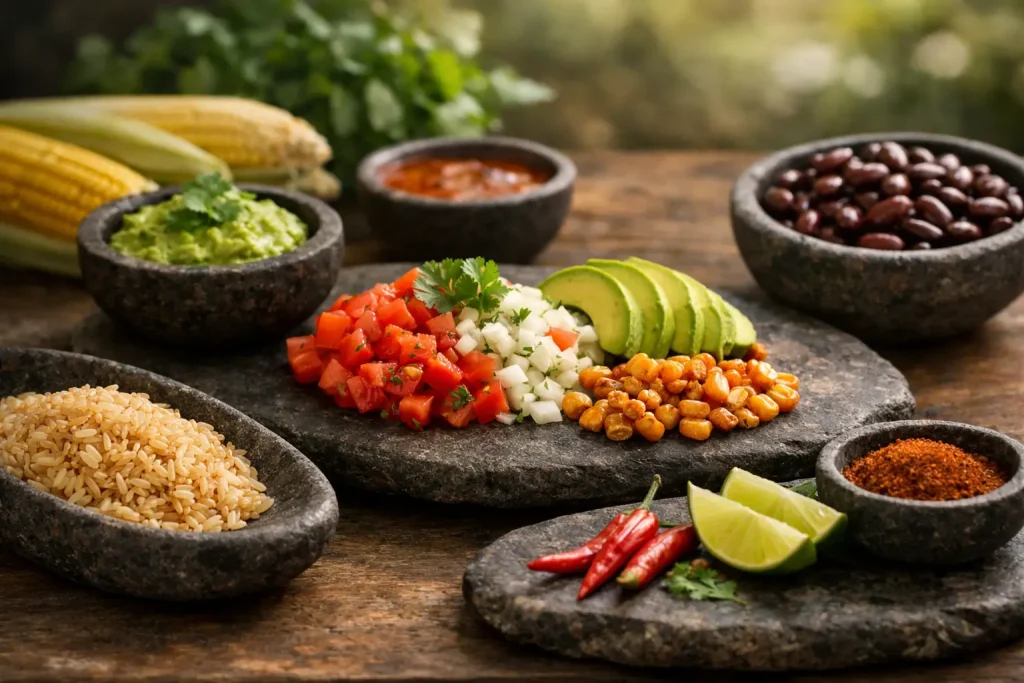
A warm tortilla can carry the aroma of toasted corn. A spoonful of ají can bring bright fruit, heat, and a little mystery. A ripe plantain can move from delicately sweet to deeply caramelized in a matter of minutes. Authentic Latin ingredients explained well are not a glossary of unfamiliar names. They are an invitation to understand why a dish tastes the way it does – and the history, landscape, and hands behind it.
Latin American cooking is not one flavor profile or one fixed pantry. Honduras, Peru, Mexico, Spain, and the many cultures between and beyond them each bring distinct techniques, ingredients, and traditions to the table. What connects them is a respect for ingredients with character: corn ground into masa, chiles toasted for complexity, herbs blended fresh, and sauces patiently built in layers.
Authentic Latin Ingredients Explained Through Flavor
The word authentic is often used as if food must follow one permanent rulebook. In reality, authenticity begins with cultural knowledge and intention. A cook may honor a classic preparation exactly, or bring a familiar ingredient into a new setting while preserving its essential flavor and story.
That distinction matters in Latin fusion cuisine. Innovation should not flatten ingredients into decoration or rely on heat alone. It should let each ingredient speak clearly. A bright Peruvian chile, a Honduran-style preparation of plantains, or a Mexican masa foundation can be presented with refinement while still tasting like itself.
Masa: the soul of corn-based cooking
Corn is one of the great foundations of Latin American food, but not all corn preparations are the same. Masa is dough made from corn that has been nixtamalized – cooked and steeped with an alkaline ingredient, traditionally lime. This process changes the corn’s texture, aroma, and nutritional qualities, creating a dough with a soft mineral note and unmistakable depth.
Masa becomes tortillas, tamales, pupusas, sopes, and countless regional dishes. A fresh tortilla made from quality masa is not merely a vessel for a filling. It has its own fragrance, tenderness, and earthy corn flavor. The difference is immediately apparent, especially when it meets a richly seasoned protein, fresh salsa, or slow-cooked beans.
Chiles: flavor first, heat second
Chiles are often reduced to a question of spice level. That misses their real beauty. Fresh and dried chiles can be grassy, smoky, raisiny, floral, tangy, fruity, or deeply savory. Their heat matters, but it is only one part of the experience.
A poblano may offer a gentle green character, while a chipotle brings smoke and a rounded warmth. Guajillo chiles are often prized for their mild heat and berry-like richness. In Peruvian cooking, ají amarillo contributes a sunny golden color and a distinct fruity, lively flavor that is difficult to replace.
How a chile is treated changes everything. Toasting can deepen its aroma, soaking can soften its texture, and blending it into a sauce can carry flavor through an entire dish. The best chile-based sauces are balanced rather than punishing, with acidity, sweetness, salt, and richness keeping the heat in conversation with the rest of the plate.
Plantains: not just a sweeter banana
Plantains are a staple across Latin America and the Caribbean, yet they are frequently misunderstood. They are starchier and less sweet than the bananas many American diners know, and their uses depend largely on ripeness.
Green plantains are firm and savory. They can be fried into crisp chips, pressed into tostones, or used where a potato-like texture is welcome. As plantains ripen, their starches turn to sugar. Yellow and nearly black plantains become tender, sweet, and ideal for frying, baking, or pairing with salty, spicy, and acidic flavors.
That changing character is what makes plantains so versatile. The same ingredient can add crunch to one course and a soft, caramelized finish to another. It is also a reminder that timing is part of craftsmanship. A plantain cannot be rushed into the right stage of ripeness.
The Roots, Herbs, and Acids Behind Latin Cooking
Some of the most essential Latin ingredients are less visible on a finished plate. They provide body, freshness, and lift – the details that keep a rich dish from feeling heavy.
Yuca and potatoes: humble ingredients with range
Yuca, also called cassava, is a starchy root with a mild flavor and satisfying texture. Boiled, fried, mashed, or formed into dough, it can be crisp at the edges and creamy at the center. In Honduran cooking especially, yuca appears in comforting, generous preparations that highlight its ability to carry broths, garlic, herbs, and savory accompaniments.
Potatoes deserve equal attention, particularly in Peruvian cuisine. Peru is home to an extraordinary range of potato varieties, and the ingredient appears in dishes that are elegant, hearty, and deeply rooted in place. A potato is never simply filler when it is properly seasoned and paired. Its earthiness can balance bright chiles, citrus, seafood, or slow-cooked meats.
Cilantro, culantro, and the green notes of freshness
Cilantro is familiar to many diners, but its role goes beyond garnish. It can brighten salsa, finish a soup, bring freshness to rice, or soften the intensity of chile and garlic. Culantro, a different herb with a stronger, more assertive flavor, is also used in many Caribbean and Central American traditions.
Fresh herbs should taste alive. They are often added late in cooking because prolonged heat can dull their aroma. When a dish arrives with a clean herbal note, it creates contrast – a flash of green against roasted, braised, or fried elements.
Lime, vinegar, and the art of balance
Acid is one of the quiet architects of a memorable meal. Lime can sharpen a ceviche, wake up a salsa, or cut through the richness of fried foods. Vinegar may appear in pickled onions, sauces, marinades, and escabeche-style preparations, bringing a tang that makes flavors feel more focused.
The goal is not to make a dish taste sour. It is to create movement. A well-placed squeeze of lime can make chile taste fruitier, herbs taste greener, and slow-cooked meat taste lighter. This is why a table sauce or fresh citrus garnish can be so transformative.
Sauces Carry Memory and Technique
Across Latin cuisines, sauces are often where technique becomes most visible. They may begin with chiles, aromatics, toasted seeds, tomatoes, tomatillos, herbs, or fruit. Some are raw and vivid, while others take time: ingredients are roasted, blended, simmered, and seasoned in stages until their flavors settle into harmony.
Salsa is not one thing. It can be fiery and rustic, smooth and smoky, fresh with tomato and cilantro, or bright with tomatillo. Likewise, a creamy sauce may gain its character from ají, garlic, cheese, nuts, or herbs rather than from richness alone. The finest sauces make a dish feel complete without masking the ingredients beneath them.
For guests who avoid gluten, sauces deserve a thoughtful question. Many naturally rely on vegetables, chiles, herbs, and citrus, but recipes and preparation methods vary. Those with celiac disease or significant allergies should always tell the service team about their needs so ingredients and kitchen practices can be discussed carefully. A welcoming dining experience includes clarity as well as flavor.
Authentic Does Not Mean Identical Every Time
Seasonality, regional availability, and a chef’s point of view all influence a menu. A traditional ingredient may be sourced differently in South Dakota than in Honduras or Peru, and a seasonal dish may shift as produce reaches its best moment. That is not automatically a compromise. What matters is whether the kitchen understands the ingredient’s role, honors its flavor, and makes choices with care.
At Catrachos Latin Cuisine, that care can be felt in the pace of the meal as much as the presentation. Made-to-order cooking allows sauces to be finished with intention, garnishes to remain fresh, and dishes to arrive as complete experiences rather than hurried transactions. For guests, it is a chance to taste beyond the familiar and ask a meaningful question: what is this ingredient telling us?
The next time you encounter masa, ají amarillo, yuca, plantains, or a salsa with a name you do not yet know, begin with curiosity. Ask how it is prepared, what region it calls home, and what flavors it was meant to complement. A great meal does more than satisfy hunger – it leaves you with a story worth sharing.