
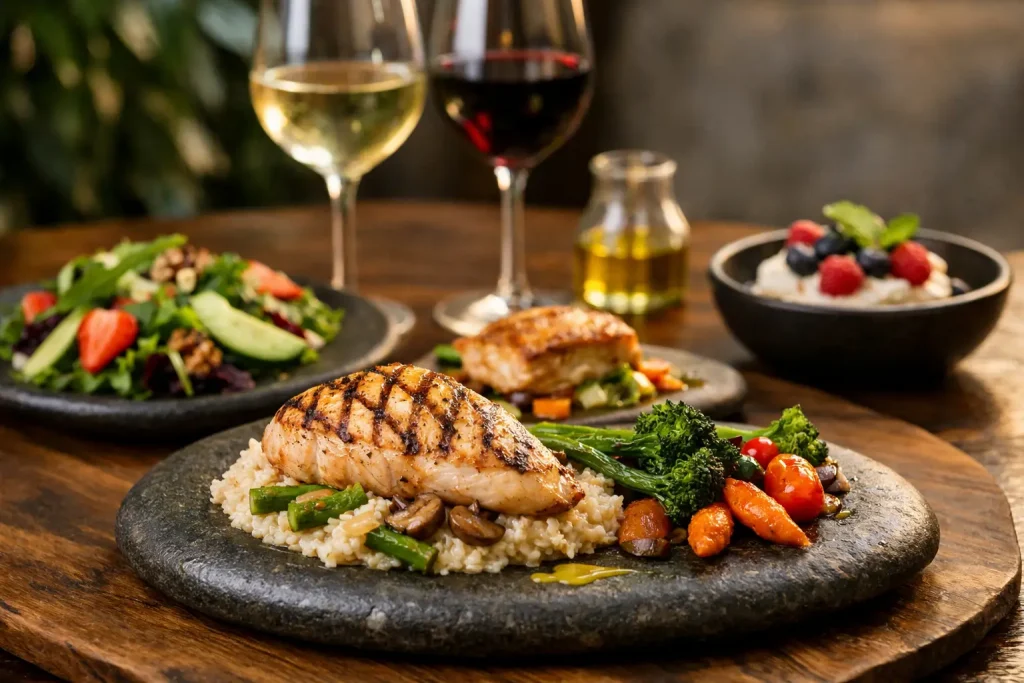
A memorable gluten free dining example is not a plain plate set apart from the rest of the table. It is a meal with color, contrast, fragrance, and the same sense of occasion as any chef-led dinner: bright citrus, slow-cooked sauces, warm spices, crisp vegetables, and a dessert worth lingering over. For guests who avoid gluten, whether by preference, sensitivity, or medical necessity, that difference matters.
At an upscale Latin table, gluten-free dining can feel especially generous. Much of Latin American cooking begins with naturally gluten-free ingredients such as corn, rice, beans, potatoes, plantains, fresh chiles, herbs, fruit, seafood, and carefully prepared meats. Still, naturally gluten-free ingredients are only the beginning. The details of preparation, seasoning blends, sauces, fryers, and shared surfaces shape whether a dish is suitable for a particular guest.
What a Thoughtful Gluten Free Dining Example Looks Like
Imagine arriving for dinner and sharing your dietary needs before the first course is chosen. Rather than receiving a vague promise, you are invited into a clear conversation: Are you avoiding gluten by choice, do you have an allergy, or are you managing celiac disease? Is cross-contact a concern? That information gives the kitchen and service team the context to guide the meal with appropriate care.
The dinner might begin with a bright corn-based bite topped with avocado, fresh herbs, and a gently acidic salsa. Corn is naturally gluten-free, but the full question goes further: Does the seasoning contain wheat? Has the garnish been prepared on a shared surface? Is the salsa thickened with anything unexpected? Good hospitality makes room for these questions without making the guest feel like an inconvenience.
For a first course, consider a composed salad of roasted vegetables, citrus, queso fresco, toasted pumpkin seeds, and a chile-lime vinaigrette. It has richness, crunch, and balance without relying on flour or breadcrumbs. A kitchen can also offer a seafood preparation where the quality of the ingredient carries the moment: perhaps shrimp with garlic, achiote, lime, and a silky sauce confirmed to be gluten-free.
The entrée should feel like an entrée, not a compromise. A plate built around grilled fish, braised meat, or roasted seasonal vegetables can be grounded by arroz, black beans, yuca, potatoes, or house-prepared corn tortillas, depending on the preparation. The goal is not to imitate a dish that contains gluten. It is to serve something complete and intentional, with the depth of a dish designed to be remembered.
At Catrachos Latin Cuisine, that spirit fits naturally with a menu shaped by the culinary traditions of Honduras, Peru, Mexico, Spain, and broader Latin America. The most rewarding gluten-free options are often those that honor the ingredients already central to these cuisines rather than treating dietary accommodation as an afterthought.
The Ingredients That Deserve a Closer Look
Latin cuisine offers a beautiful foundation for gluten-free dining, but familiar ingredients can still carry complications. Corn tortillas, for example, may be a welcome choice, yet guests with celiac disease may need to ask whether they are prepared and warmed away from flour tortillas. Rice and beans may appear straightforward, but seasoning bases, stocks, and sauces should be checked. A rich mole, marinade, or reduction can contain ingredients that are not obvious from the plate.
Sauces are where much of the restaurant’s craft lives, and they are also where clear communication becomes most valuable. A sauce may gain body from reduced vegetables, blended seeds, nuts, roasted chiles, fruit, or naturally gluten-free starches. It may also contain soy sauce, malt vinegar, beer, flour, or a prepared ingredient with wheat. There is no reliable shortcut based on appearance alone. Asking is always the wiser choice.
Fried dishes require the same level of attention. Plantains, yuca, and potatoes are naturally gluten-free, but a shared fryer can create cross-contact. For some diners, that risk is acceptable; for someone with celiac disease, it may not be. The right answer depends on the guest’s needs and the restaurant’s current procedures, not on a sweeping assumption.
Dessert can be one of the most joyful parts of the meal. Fresh fruit, custards, flan-style desserts, chocolate preparations, and rice-based sweets may offer naturally gluten-free possibilities. Yet a final confirmation still matters, especially with garnishes, cookie crumbs, flour-based cakes, or shared plating areas. A thoughtful dessert recommendation lets a guest finish the evening with pleasure instead of uncertainty.
How to Communicate Your Needs With Ease
The best time to mention gluten-free needs is when making a reservation and again when you arrive. This allows the restaurant to prepare for the conversation, particularly during busy dinner service or when seasonal menu changes are in place. A short, direct explanation is usually all that is needed: “I need to eat gluten-free, and I am concerned about cross-contact,” or “I avoid gluten but do not have celiac disease.”
Those statements are not interchangeable, and that distinction helps. Gluten-free dining can mean different things to different guests. Someone avoiding gluten for personal wellness may be comfortable with a shared fryer, while a person with celiac disease may need greater caution around equipment, sauces, and preparation spaces. There is no need to overexplain your health history. Clear parameters give the team what it needs to serve you well.
It also helps to remain open to the chef’s guidance. A dish that seems like an obvious fit may not be available in a safe form that evening, while a special preparation or another menu selection may be a better choice. Seasonal cooking is part of the pleasure of a chef-driven restaurant, and ingredients and methods can change. The strongest recommendation will be the one based on the menu and kitchen practices of that day.
A Full Meal, Not a Restricted One
A gluten-free dinner should still have rhythm. Begin with a refreshing beverage or aperitif and an appetizer that awakens the palate. Move into a first course with acidity and texture, then choose an entrée with a satisfying foundation of corn, rice, beans, potatoes, or vegetables. Finish with something cool, creamy, fruity, or chocolate-forward, depending on the season and the chef’s inspiration.
This approach changes the feeling of the meal. Instead of scanning a menu for what must be removed, guests can look for what is already abundant: charred peppers, ripe avocado, smoky chiles, grilled seafood, slow-braised proteins, tropical fruit, fragrant herbs, and the comforting depth of beans and rice. Gluten-free dining becomes less about limitation and more about selecting dishes with care.
That said, no responsible restaurant should promise that every dish can be made gluten-free or safe for every level of sensitivity. A busy professional kitchen may handle flour and gluten-containing ingredients, and cross-contact can never be dismissed casually. Trust grows when service is warm, specific, and honest about what can be accommodated.
The most satisfying gluten-free meal is one where the guest feels seen before the first plate arrives. Ask the questions, welcome the chef’s recommendations, and let the evening unfold around the flavors that make Latin cuisine so expressive. A dietary need deserves practical attention, but the experience should still belong to the table: generous, celebratory, and deeply delicious.