
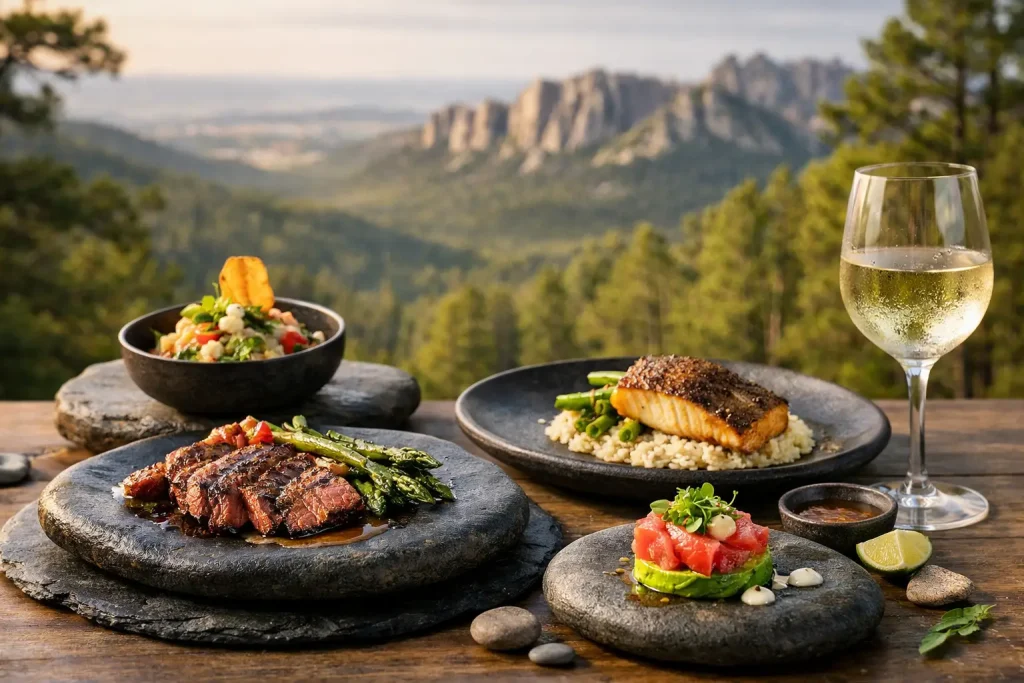
A memorable meal can change the shape of an evening. After a long drive through the Black Hills, a day spent with family, or simply another busy week at home, the best food near Rapid City should offer more than a full plate. It should bring color, aroma, care, and a sense that the people in the kitchen have something meaningful to share.
For diners who seek that kind of experience, the most rewarding choice is often not the fastest or most familiar option. It is a restaurant where ingredients are handled with intention, traditions are respected, and each course has a reason for being on the table.
What Makes the Best Food Near Rapid City Worth Seeking
The word “best” means different things to different guests. For some, it means a relaxed brunch with bright flavors and a table full of conversation. For others, it is a polished dinner where a thoughtfully made sauce, a perfectly cooked protein, or a beautifully plated dessert makes an ordinary night feel like an occasion.
What tends to unite great dining experiences is craft. A made-to-order dish has a different energy from food prepared for speed alone. It allows the kitchen to pay attention to texture, seasoning, temperature, and presentation. A crisp edge, a silky puree, a slow-cooked filling, or a final squeeze of citrus can each change a dish from satisfying to unforgettable.
Latin cuisine is especially rich with these details because it is not one single flavor profile. Honduras, Peru, Mexico, Spain, and the broader Latin American table each carry distinct ingredients, techniques, and culinary memories. When those influences are brought together with discipline, the result can feel both rooted in heritage and wonderfully unexpected.
Look for Ingredients With a Story
Great food begins before the pan is hot. It begins with the ingredient itself: where it comes from, how it is treated, and what it contributes to the larger composition of a dish.
Take the plantain. At different stages of ripeness, it can be savory and starchy, tender and lightly sweet, or deeply caramelized. It can provide contrast beside a rich braise, create a comforting base for a sauce, or become a dessert element with warmth and depth. That range is one reason plantains appear across so many Latin American culinary traditions. They are humble, versatile, and capable of carrying both nostalgia and refinement.
Chiles tell a similarly layered story. Heat is only one part of their character. Depending on the variety and preparation, a chile can bring fruitiness, smoke, earthiness, or a gentle lingering warmth. The best use of chile is not always the hottest. Often, it is the one that supports the other ingredients, allowing a citrus note, roasted vegetable, fresh herb, or savory protein to become more vivid.
Then there is masa, the foundation of many beloved dishes. Properly prepared corn has an aroma and depth that cannot be replaced by convenience. It can be delicate or hearty, crisp or soft, familiar or elevated. Used with respect, it reminds diners that a simple ingredient can carry generations of knowledge.
When choosing where to eat, notice whether a menu gives ingredients room to speak. You do not need to know every culinary term to recognize care. You can taste it in a sauce that has been patiently developed, a garnish that adds purpose rather than decoration, and a dish whose flavors arrive in balance rather than all at once.
Choose an Experience, Not Just a Category
A restaurant may describe itself as Latin, but the more useful question is how it approaches that identity. Is the food treated as a collection of shortcuts and broad labels, or is it guided by real culinary traditions and a chef’s point of view?
At Catrachos Latin Cuisine, the menu draws inspiration from Honduran, Peruvian, Mexican, Spanish, and wider Latin American traditions while allowing room for seasonal creativity. This is Latin fusion with a purpose: a conversation between cultures, ingredients, and techniques rather than a collection of flavors placed together without intention.
That approach matters because fusion can be extraordinary when it starts with understanding. A chef should know the traditional language of a dish before adding a new accent. A familiar ingredient may be plated in a new way, paired with an unexpected element, or placed beside a sauce from another culinary tradition. The goal is not to erase where the food came from. It is to honor its origins while creating a meal that feels fresh for the guest in front of it.
Seasonal menus are part of that experience. Availability changes, produce reaches its peak, and the kitchen finds new ideas worth sharing. For returning diners, this creates a reason to come back. For visitors, it offers the pleasure of eating something that belongs to this moment, not a meal designed to remain identical forever.
Let the Pace of the Meal Work in Your Favor
A chef-driven restaurant is often best enjoyed with a little time. Slow dining does not mean waiting without care. It means allowing the meal to unfold as it was designed: a beverage before the first course, a pause between flavors, a dessert that feels like a final gesture rather than an afterthought.
This style is ideal for date nights, celebrations, visiting family, and evenings when conversation deserves more than a rushed table turn. It can also be a welcome reset for locals who want to make a weeknight feel special. The trade-off is simple: if you need food in a few minutes, a made-to-order kitchen may not match the moment. If you want a meal shaped by attention, the extra time becomes part of its value.
Reservations are a thoughtful choice for weekend dinners, special occasions, and travel plans with a fixed schedule. They give the dining room a chance to welcome you well and help you avoid turning a highly anticipated meal into a long, uncertain wait. For a more spontaneous visit, checking service hours and current availability before arriving is always wise.
Brunch, Dinner, and Dessert Each Deserve Their Moment
The best dining destination should not feel limited to one type of occasion. Brunch brings a lighter, more social mood, with the possibility of savory comfort, fresh fruit, eggs, coffee, and celebratory beverages. Dinner invites more depth: layered sauces, composed plates, carefully selected drinks, and a quieter rhythm as the day winds down.
Dessert deserves equal attention. A well-conceived sweet course can echo flavors from earlier in the meal or shift the palate entirely with fruit, spice, creaminess, or a crisp texture. It is often where a kitchen’s personality becomes especially clear. The best desserts feel generous without becoming heavy and memorable without relying on excess sweetness.
When menus rotate, ask your server what the kitchen is especially excited about that day. A chef special may reflect a seasonal ingredient, a recently developed technique, or a dish that carries a personal connection. Those are often the choices that make a meal feel less like an order and more like an introduction to the restaurant’s point of view.
Dining Well With Dietary Needs
Thoughtful hospitality includes clear communication. Guests who are gluten-free or celiac-conscious should feel comfortable asking how a dish is prepared, whether ingredients can be adjusted, and what cross-contact considerations may apply in the kitchen. A knowledgeable server can help identify options and explain where flexibility is possible.
It depends on the dish and the day’s preparation, so it is always best to share dietary needs when reserving and again when ordering. This gives the kitchen the clearest opportunity to guide you toward an enjoyable meal. The same is true for allergies, spice preferences, and ingredient questions. Asking is not an inconvenience. It is part of creating a dining experience that feels personal and safe.
Make the Meal Part of the Memory
The finest meals are rarely remembered only for one ingredient. They stay with us because of the whole scene: the welcome at the door, the first aroma at the table, the warmth of a shared dish, the attentive explanation of a special, and the feeling of being cared for without being hurried.
Whether you are traveling through the region or planning an evening close to home, choose food that gives you something to talk about after the plates are cleared. A meal with heritage, imagination, and genuine hospitality is always worth making time for.