
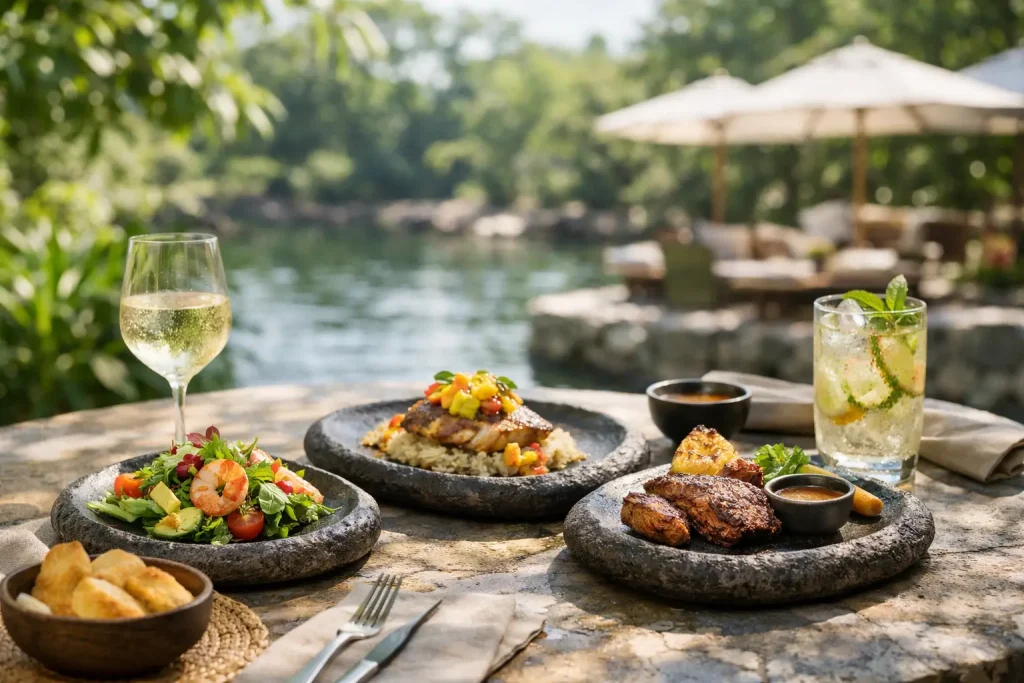
A great summer lunch has a particular kind of magic: sunlit tables, a drink cool enough to slow the afternoon down, and food that tastes vivid rather than heavy. The best summer lunch spots are not simply convenient places to stop between errands. They make room for conversation, honor the season’s ingredients, and leave you satisfied enough to enjoy the rest of the day.
For diners in Rapid City and the surrounding Black Hills communities, the choice often comes down to what kind of midday experience you want. A quick bite has its place. But when lunch is part of a day off, a visit from family, a birthday, or a long-overdue catch-up with friends, the details matter: freshness, atmosphere, pacing, and a kitchen that has something meaningful to say.
What Makes the Best Summer Lunch Spots Stand Out
Summer asks different things of a restaurant than winter does. At noon in January, comfort may mean a hot, familiar plate served quickly. At noon in July, most guests want brightness and balance: citrus, herbs, crisp vegetables, grilled elements, chilled beverages, and a dish with enough character to be memorable without making the afternoon feel sluggish.
The best rooms also understand that lunch should feel relaxed, not rushed. Attentive service means a table is welcomed promptly, questions are answered clearly, and guests are given time to enjoy what is in front of them. That is especially valuable when a group includes different appetites, dietary needs, or a visitor seeing the region for the first time.
A polished lunch does not need to be stiff. It can be colorful, generous, and joyful. It can carry the ease of a vacation while still reflecting the care of a chef-driven kitchen.
Look for a Menu With Contrast
The most satisfying warm-weather menus create contrast. Think of a smoky grilled protein beside a clean, bright salsa; a rich sauce sharpened with lime; creamy avocado paired with something crisp; or a hearty grain balanced by fresh herbs and vegetables. Those contrasts keep a plate interesting from the first bite to the last.
Latin American cuisines offer an extraordinary vocabulary for this kind of seasonal cooking. Ají peppers can bring fruit, heat, and depth. Cilantro contributes a fresh green lift. Plantains move gracefully between savory and sweet. Corn, beans, tropical fruit, citrus, and carefully layered chiles offer color and substance without asking a dish to be overly complicated.
At an elevated Latin table, technique matters just as much as ingredients. A sauce may begin with a roasted chile, a slow-cooked aromatic base, or a pepper ground into a paste. A simple-looking garnish can provide acidity, heat, or texture that changes the entire bite. This is the difference between food that merely fills the plate and food that invites you to pay attention.
Choose Lunch by the Kind of Afternoon You Want
There is no single right answer to where to eat lunch in summer. The best choice depends on the occasion, the size of your party, and whether you want your meal to be a pause or the centerpiece of the day.
For a lingering lunch with friends
When the conversation is the point, choose a restaurant where the meal can unfold naturally. Shared starters, a thoughtful beverage list, and dishes meant to be discussed make a table feel more generous. This is the lunch that turns one hour into two, in the best possible way.
Chef-led restaurants are particularly well suited to this occasion because the menu often gives guests something to talk about. A dish rooted in Honduran, Peruvian, Mexican, or Spanish tradition may arrive with a familiar ingredient presented in an unexpected way. That sense of discovery gives the gathering a story beyond the usual question of where everyone met for lunch.
For a date or a special midday occasion
Summer schedules can be full, which makes a daytime celebration feel unexpectedly luxurious. An anniversary, a friend’s promotion, a mother-daughter outing, or a visitor’s first afternoon in Rapid City deserves more than an ordinary meal.
For these occasions, look for a setting with a sense of occasion and a menu made to order. Fresh preparation may take a little longer than a grab-and-go lunch, but that trade-off is often worth it. You are not simply getting food quickly. You are giving the kitchen time to build flavor and the table time to enjoy it.
For visitors and Black Hills day trips
If you are showing someone around the area, lunch can anchor the day. A memorable restaurant offers more than a reliable meal between destinations. It gives guests a taste of the community’s hospitality and a welcome break from the predictable.
Choose a place that feels approachable for first-time diners while still offering something distinct. Friendly guidance from the service team matters here. Guests may be curious about a chile, an unfamiliar preparation, or the level of spice in a dish. The best experience is one where questions are invited and preferences are treated with care.
Make Freshness Part of the Decision
A seasonal lunch should feel connected to the moment. That does not mean every ingredient must be local or that every dish needs to change weekly. It means the kitchen pays attention to what tastes its best now and uses that awareness to shape the menu.
Fresh citrus can make a seafood dish feel lighter. Ripe fruit can bring a sweet counterpoint to savory heat. A summer vegetable can add crunch and color to a plate that would feel entirely different in colder months. Rotating chef specials are often where this seasonal attention becomes most visible, so it is worth asking what the kitchen is especially excited to serve that day.
At Catrachos Latin Cuisine, the menu is shaped by the culinary traditions of Honduras, Peru, Mexico, Spain, and the wider Latin American table. That range makes summer dining especially expressive: bright sauces, warm spices, fresh herbs, and carefully composed plates can all belong in the same experience without losing their cultural grounding.
Plan for Dietary Needs Without Settling
A thoughtful lunch spot makes dietary conversations feel routine rather than inconvenient. If you are gluten-free, celiac-conscious, vegetarian, sensitive to spice, or managing another food concern, call ahead or speak with your server before ordering. Ask how a dish is prepared, whether sauces contain gluten, and what steps the kitchen can take to reduce cross-contact.
The answer will vary by restaurant and by dish. A menu may include naturally gluten-free ingredients, but preparation still matters. Fried items, shared cooking surfaces, marinades, and sauces can all change what is appropriate for an individual guest. Clear communication creates a better experience for everyone at the table.
This is also where made-to-order dining earns its place. When a kitchen is cooking with intention rather than relying entirely on preassembled food, there may be more room to guide guests toward satisfying choices. Flexibility is never a guarantee, particularly with traditional recipes, but respectful questions can help a skilled team offer useful direction.
A Few Practical Details That Improve Lunch
The most beautiful plate can lose some of its charm if the timing is stressful. For a weekend lunch, a larger party, or a meal before an appointment, reservations can make the experience more relaxed. They are particularly helpful if you are bringing out-of-town guests or planning to dine during a busy summer event weekend.
It also helps to set expectations with your group. A chef-driven meal is often designed for enjoyment, not speed. If everyone has only 35 minutes, choose accordingly. If the table can linger, let lunch become what it should be: a chance to taste something thoughtful, share a little more than the news of the day, and leave with the afternoon still open before you.
The best summer lunch is not defined by a single dish or a perfect view. It is the one that meets the moment with flavor, warmth, and enough care to make an ordinary day feel worth celebrating.