
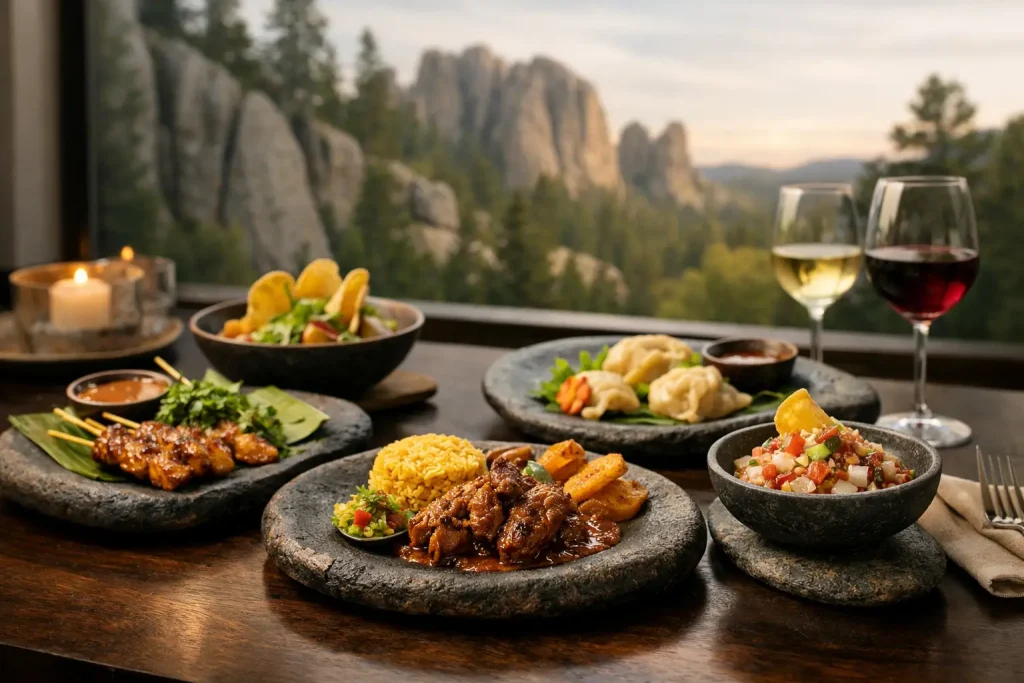
A memorable meal begins before the first bite. It begins with the fragrance rising from the kitchen, the color on the plate, and the feeling that someone has taken care to tell a story through food. A cultural dining experience in Rapid City can be exactly that: an invitation to slow down and taste the traditions, ingredients, and techniques that shape Latin American cooking.
At Catrachos Latin Cuisine, that story reaches from Honduras to Peru, Mexico, Spain, and beyond. The menu is not designed to rush guests from appetizer to check. It is built for conversation, curiosity, and the pleasure of noticing what makes a dish feel familiar, surprising, or deeply connected to a place.
What Makes Cultural Dining Different?
Cultural dining is more than choosing a cuisine on a menu. It means paying attention to the history within the meal. A sauce may reflect generations of cooking with chiles, herbs, seeds, and slow-simmered vegetables. A corn-based dish can point back to the enduring importance of maize across Latin America. A bright citrus note may balance the richness of seafood or roasted meat in a way that feels both refined and rooted in tradition.
The most satisfying cultural meals honor those origins without treating them as a museum display. Food traditions travel, adapt, and speak to one another. Latin fusion, when handled with care, creates room for a chef to respect classic flavors while presenting them in a fresh, elegant way. The goal is not novelty for its own sake. It is to make every element on the plate feel intentional.
That distinction matters for diners looking for more than a convenient dinner. A chef-driven cultural meal offers texture, aroma, contrast, and a sense of place. It gives a date night, a family celebration, or an evening with visiting friends something worth remembering after the table has been cleared.
The Ingredients That Carry the Story
The character of Latin cuisine often lives in its pantry. Some ingredients arrive with immediate recognition, while others reveal their depth gradually, one bite at a time.
Corn is one of the great foundations. Across Mexico and Central America, it becomes masa for tortillas, tamales, pupusas, and other beloved preparations. Its flavor is earthy and gently sweet, but its significance goes much further. Corn represents sustenance, memory, and the patient craft of transforming a humble grain into something extraordinary.
Plantains bring another essential expression of comfort and versatility. Green plantains can be crisp, savory, and sturdy enough to carry rich toppings. Ripe plantains become soft and caramelized, offering a natural sweetness that works beautifully beside spice, salt, or slow-cooked meats. They are not simply a side dish. They can change the entire rhythm of a plate.
Chiles deserve the same attention. Heat is only one part of their contribution. Depending on the variety and preparation, chiles can be smoky, fruity, grassy, deep, or bright. A thoughtful kitchen uses them to build dimension rather than overwhelm the palate. The right chile can leave a gentle warmth at the end of a bite, while another can bring a dark, roasted character to a sauce.
Then there is citrus. Lime, orange, and other acidic elements bring clarity to richer ingredients and wake up herbs, seafood, and fresh vegetables. In Peruvian-inspired preparations especially, acidity can be central to the dish’s personality. It creates a clean, lively finish that encourages the next bite.
A Latin Table Is Not One Single Cuisine
The phrase Latin cuisine is useful, but it is also broad. Honduras, Peru, Mexico, Spain, and the many regions of Latin America each carry distinct culinary identities. Their foods share certain ingredients and historical influences, yet they are not interchangeable.
Honduran cooking often speaks through generous, comforting flavors: beans, corn, plantains, fresh cheese, grilled meats, and sauces that bring brightness and warmth. It is food that feels grounded and hospitable, shaped by family tables and regional ingredients.
Peruvian cuisine is celebrated for its remarkable range, influenced by Indigenous traditions alongside Spanish, African, Chinese, and Japanese culinary histories. Its flavors can move from creamy and spicy to sharply citrusy, with potatoes, peppers, seafood, and herbs playing important roles. A Peruvian-inspired dish may feel polished and expressive while still carrying the unmistakable comfort of home cooking.
Mexican cuisine offers far more than a single flavor profile. From complex moles and slow-braised meats to coastal seafood and the daily art of making tortillas, it is a cuisine of regional depth. Spanish influence appears differently, often through techniques and ingredients that crossed the Atlantic and became part of new culinary conversations.
A thoughtful Latin fusion menu does not blur those distinctions. Instead, it lets them meet with respect. A guest may notice a Honduran ingredient alongside a Peruvian-style sauce, or a Mexican tradition interpreted with a refined presentation. The best pairings make sense on the palate and invite a little conversation at the table.
How to Enjoy a Slow-Dining Experience
For guests accustomed to meals arriving quickly, chef-led dining can require a small shift in expectations. Made-to-order food takes time because each component deserves time. Sauces are finished, plates are composed, and the kitchen is working toward balance rather than speed.
That slower pace is part of the occasion. Order a beverage, settle into the room, and allow the meal to unfold. Share plates when the menu and your party make that enjoyable, especially if you want to compare flavors and ingredients. A shared starter can open the table to a new chile, a crisp plantain preparation, or a sauce that becomes the evening’s favorite discovery.
There is a trade-off, of course. A leisurely meal is not always the right fit for a rushed lunch break or a tightly scheduled evening. But when the purpose is connection, celebration, or simply a better dinner, time becomes part of the value. The meal feels less like a stop between obligations and more like the destination itself.
Choosing a Dish With Curiosity
A good way to approach a cultural menu is to choose one dish that feels comfortably familiar and one that stretches your usual order. If you often enjoy grilled proteins, look for a preparation with a sauce or side that introduces a new regional flavor. If you are drawn to seafood, seek out citrus, herbs, or a chile-forward element that gives it a different point of view.
Ask questions, too. Hospitality should make curiosity easy. A server can help explain whether a dish leans savory, spicy, bright, or rich, and whether it is best enjoyed as a shared course or an individual entrée. This is especially useful when seasonal chef specials are available, since those dishes may reflect a particular ingredient at its peak.
For guests with gluten-free or celiac-conscious needs, clear communication is equally important. Many Latin American ingredients, including corn, beans, rice, vegetables, and naturally prepared proteins, can fit well within a gluten-free meal. Still, preparation matters. Guests should share dietary needs with their server so the kitchen can guide them toward suitable options and address cross-contact concerns with care.
Make the Occasion Feel Special
A cultural dining experience can suit many kinds of evenings. It can be a relaxed brunch with friends, a polished dinner before a downtown event, or a table set aside for an anniversary, birthday, or long-overdue reunion. Visitors to the Black Hills often find that a distinctive meal becomes part of the trip itself, a welcome break from expected choices and a chance to experience Rapid City through a different lens.
Reservations are particularly helpful for weekend dinners, celebrations, and larger parties. They create a calmer arrival and allow the team to prepare for the kind of evening you have in mind. If your schedule is flexible, an earlier or later reservation can offer a more unhurried pace.
Come hungry, but also come open-minded. The most rewarding plates often introduce a flavor you did not know you were looking for, then make it feel as though it belonged at your table all along.