
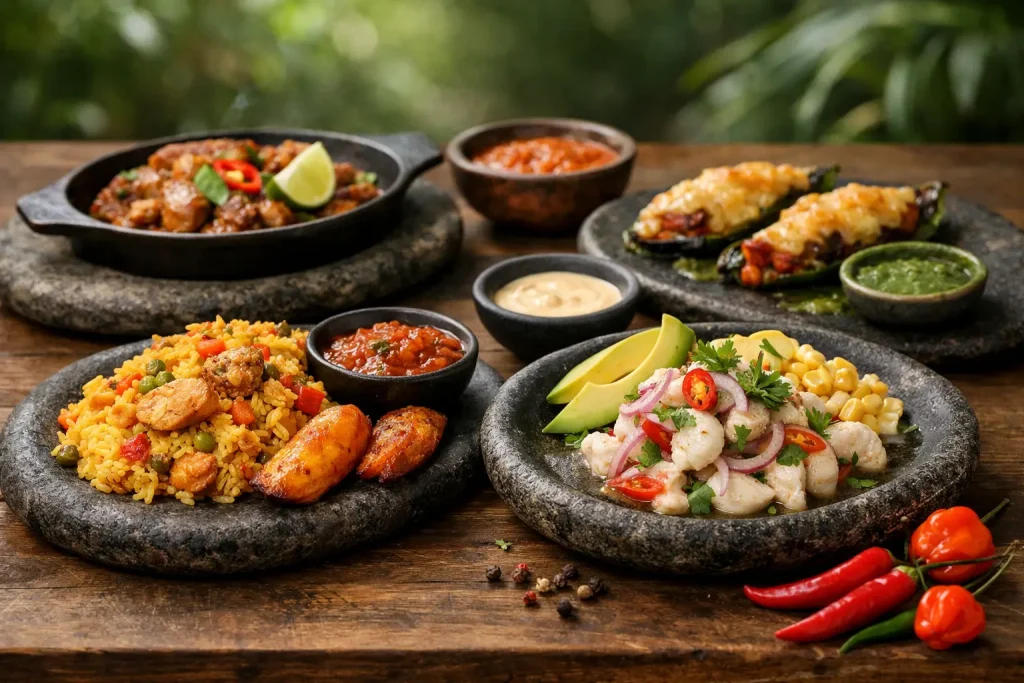
A bright spoonful of citrusy ceviche, a slow-cooked Honduran stew, a smoky salsa, and a creamy Peruvian sauce can all belong at the same Latin table. So, is Latin food spicy? Sometimes, but heat is only one part of a much larger flavor story.
Latin American cuisine spans countries, climates, Indigenous traditions, migration histories, and generations of family cooking. To treat it all as fiery is a little like saying all American food tastes like barbecue. Chiles are deeply important across many Latin cuisines, but so are herbs, roasted vegetables, fruit, corn, beans, seafood, cheese, warm spices, and the lively lift of lime or vinegar.
For diners who love bold flavor but are cautious about heat, that is good news. A well-prepared Latin dish should offer dimension first. Spice may arrive as a gentle warmth, a smoky finish, or a vibrant burst from a sauce served alongside the plate. It does not have to overpower the ingredients or the moment.
Is Latin Food Spicy? It Depends on the Region
There is no single heat level for Latin food because there is no single Latin cuisine. The flavors of Honduras, Peru, Mexico, Spain, Argentina, Colombia, Cuba, Brazil, and the Caribbean are distinct, even when ingredients and culinary influences overlap.
Mexican cuisine is often the first thing Americans picture when they think of chiles. That association makes sense: Mexico has an extraordinary range of fresh, dried, smoked, mild, and hot chiles. Yet many beloved Mexican flavors are more earthy, savory, or aromatic than spicy. A dried ancho chile, for example, can bring notes of raisin, tobacco, and cocoa with comparatively mild heat. Chipotle adds smoke. Guajillo brings brightness and fruitiness. The chile is not simply there to make a dish hot.
Peruvian cuisine has its own beautiful relationship with peppers. Ají amarillo is a signature ingredient with a sunny golden color, a fruity character, and a lingering but often manageable warmth. Ají panca tends toward deeper, darker, almost berry-like flavors. In many dishes, these peppers give sauces their identity without creating a punishing level of heat.
Honduran cooking often centers comfort and nourishment: beans, corn, plantains, rice, meats, seafood, fresh cheese, and slow-simmered preparations. Hot sauce may be welcome at the table, but it is frequently an option rather than the foundation of every dish. Fresh salsa, pickled vegetables, and chile-forward condiments let each guest decide how much fire belongs in a bite.
Spanish influences add another layer, particularly through olive oil, saffron, garlic, paprika, seafood, cured meats, and rice dishes. Paprika can be sweet, smoky, or hot, but much of its role is fragrance and color. Latin fusion cooking can honor these traditions while allowing their flavors to speak to one another in new ways.
Flavor Is Bigger Than Heat
A dish can taste bold without being spicy. In fact, the most memorable Latin food often creates contrast: rich pork with sharp pickled onions, buttery seafood with tart lime, sweet plantains beside savory beans, or a creamy sauce lifted by garlic and fresh herbs.
Acidity is one of the great engines of Latin cuisine. Lime, bitter orange, vinegar, tomatoes, tomatillos, and fermented or pickled ingredients keep food energetic and balanced. This brightness can be mistaken for heat because it wakes up the palate so quickly. The sensation is different, though. Heat builds and lingers. Acid is crisp, clean, and immediate.
Texture also matters. A crunchy tostada, soft tortilla, silky purée, charred corn, crisp yucca, or tender braised meat makes a dish feel layered before a chile ever enters the conversation. Then there is smoke, created through grilling, roasting, dried chiles, and toasted spices. Smoke can feel intense, but it is not automatically hot.
That is why asking whether a dish is spicy is useful, but incomplete. A more revealing question is: what kind of flavor does it lead with? Citrusy? Smoky? Creamy? Earthy? Herbaceous? Sweet-savory? A thoughtful server or chef can help translate those notes into an experience that suits your palate.
Understanding Chiles Without Fear
Chiles range from gentle to seriously hot, and their names alone do not always tell you what to expect. Preparation changes the experience, too. Removing seeds and inner membranes can reduce heat. Roasting can soften sharp edges. Blending a chile into a sauce with nuts, dairy, bread, tomatoes, or roasted vegetables can distribute its warmth across the dish.
A few general patterns can help diners order with more confidence. Bell peppers and poblanos are often mild. Jalapeños range from mild to medium, though freshness and growing conditions make a difference. Serranos are usually hotter. Habaneros and Scotch bonnets tend to bring serious heat, often with a floral or fruity aroma that makes them more than a dare for your taste buds.
Dried chiles deserve special attention because they are central to many sauces and marinades. Their flavor can be remarkably complex. A mole or adobo may include several kinds of chile, but it can still taste rounded, savory, and moderate rather than aggressively spicy. The number of chiles in a recipe does not necessarily predict the heat level.
How to Order Latin Food at Your Heat Level
The best restaurant experience begins with a little conversation. If you enjoy flavor but dislike lingering burn, say so plainly. “Mild” can mean different things to different people, especially in a chef-driven kitchen where traditional sauces may have a natural warmth.
Ask whether the heat is cooked into the dish or served on the side. A table salsa, hot sauce, chile oil, or pepper relish gives you control. A chile-based braise or sauce may not be easily adjusted without changing the dish itself. Neither approach is better. It simply helps to know what you are ordering.
If you are sensitive to spice, look for dishes described as roasted, grilled, braised, citrus-marinated, creamy, herb-forward, or simply prepared. These words are not a guarantee of mildness, but they often point toward flavors beyond raw chile heat. Rice, beans, plantains, avocado, cheese, and cool sauces can also offer a pleasant counterpoint when a dish has some warmth.
If you love heat, ask which condiment or salsa the chef recommends rather than assuming the hottest option is the most flavorful. The right chile can sharpen a dish’s personality. The wrong amount can flatten every other note on the plate. Great heat should make you want another bite, not make the next bite impossible.
At Catrachos Latin Cuisine, guests are always welcome to share their preferences with the team. A meal is more satisfying when its heat level feels intentional, especially when you are exploring an unfamiliar sauce, regional specialty, or seasonal chef creation.
Spice and Dietary Considerations
For guests with dietary restrictions, it helps to separate heat from allergens and ingredients. A mild dish may still contain dairy, gluten, shellfish, nuts, or other ingredients that require attention. Likewise, a spicy sauce may be naturally gluten-free, but cross-contact and preparation details matter.
Let your server know about allergies, celiac disease, or dietary needs before ordering. A careful kitchen can explain what is in a sauce, whether an item can be modified, and whether a requested accommodation is appropriate for that preparation. This conversation protects more than comfort. It lets the culinary team guide you toward a dish that still feels complete and true to its character.
The Best First Bite Is a Curious One
Latin food is not defined by a single Scoville level. It is defined by balance, memory, place, and the generous instinct to bring contrast to the table. Some dishes will glow with chile heat. Others will charm you with roasted corn, slow-cooked beans, garlic, citrus, plantains, or a sauce so layered that warmth is only one quiet note.
Choose the dish that sounds delicious, tell your server how you like to eat, and leave room for a little discovery. The most rewarding bite is often not the hottest one, but the one where every flavor has a chance to be heard.