
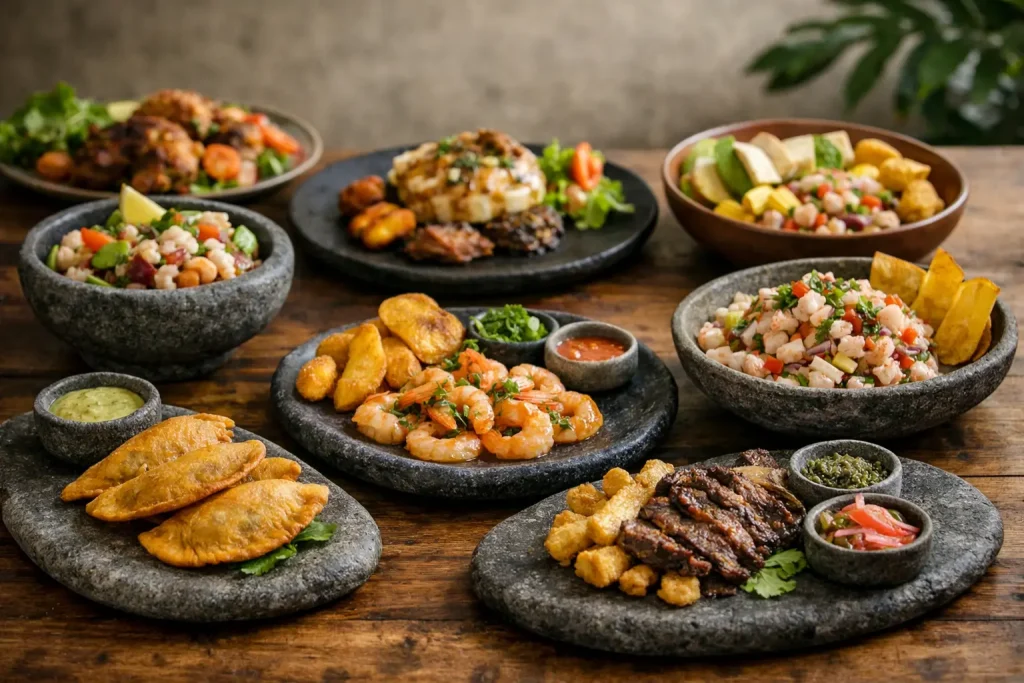
A memorable table rarely begins with everyone quietly ordering an entrée. It begins with a bright spoonful passed across the table, a warm basket arriving in the center, and the easy question: “You have to try this.” The best dishes for sharing create that kind of meal – one with contrast, conversation, and enough variety for every guest to find a new favorite.
At a Latin table, sharing is about more than portion size. It is a way to experience the range of a cuisine: the clean citrus of seafood, the gentle sweetness of plantain, the comforting richness of slow-cooked meats, the warmth of corn, peppers, herbs, and carefully layered sauces. For a date night, a family dinner, or a gathering with friends in Rapid City, choosing a few dishes with intention makes the meal feel generous without becoming overwhelming.
What Makes a Dish Worth Sharing?
The most successful shared dishes offer a clear flavor identity and an easy way to serve them. A bowl of ceviche with crisp chips or tostadas invites everyone in. Empanadas arrive naturally portioned. A substantial plate of grilled meat, rice, vegetables, and sauce can become a centerpiece when the table wants to sample something hearty together.
Balance matters just as much as abundance. If every dish is rich, the meal can feel heavy before the main course arrives. If every dish is bright and light, guests may leave wanting more comfort. A well-paced table includes something fresh, something crisp or fried, something warm and savory, and a dish with enough depth to anchor the meal.
Sharing also works best when diners are open about what they enjoy. A table with mild preferences may lean toward roasted vegetables, creamy sauces, and familiar grilled proteins. Guests who love heat can add a pepper-forward dish or request guidance on the spice level. The goal is not to order the same way every time. It is to create a meal where flavors meet, contrast, and complement one another.
Best Dishes for Sharing: Begin With Bright, Fresh Flavors
Ceviche and citrus-forward seafood
Ceviche is one of the most natural dishes for a shared opening course. Fresh seafood meets citrus, herbs, onion, and often a touch of chile, producing a lively first bite that wakes up the palate. Depending on the preparation, it may carry creamy avocado, crisp vegetables, or a subtle sweetness that softens the acidity.
This is especially appealing when the table plans to enjoy richer dishes later. The brightness cuts through fried foods, grilled meats, and savory sauces, keeping the meal energetic rather than overly heavy. Because ceviche is traditionally served chilled, it also brings a welcome temperature contrast to a table full of warm plates.
For guests with dietary concerns, this is a moment to ask thoughtful questions. Seafood, citrus, and garnish choices vary by preparation, and cross-contact matters for diners with celiac disease or serious allergies. A polished dining experience makes room for those conversations before the first plate arrives.
Empanadas, croquetas, and hand-held bites
Hand-held starters have a special place at a shared table because they offer an individual first taste while still encouraging discovery. Empanadas can hold savory fillings such as seasoned meats, vegetables, cheese, or a blend of ingredients that reflects a particular regional tradition. Their flaky or crisp exterior gives way to warmth and aroma, making them satisfying without requiring a full commitment to one large dish.
Croquetas and similar small bites bring another kind of pleasure: a crisp exterior, a tender center, and a sauce that adds brightness or heat. They are ideal for groups because each guest can try one before deciding where to return for a second bite. If the table includes diners who prefer less spice, serving a chile-based sauce alongside rather than over the dish can offer more control.
Plantains and yuca with character
Plantains and yuca are not side notes. Prepared with care, they can be among the most memorable shared plates on the table. Sweet plantains offer caramelized edges and a soft center that pairs beautifully with salty cheese, savory meats, or tangy sauces. Green plantains may arrive crisp and starchy, ready for dipping or topping.
Yuca brings a different texture – hearty, satisfying, and often gently earthy. It can be fried until crisp, mashed into a smooth accompaniment, or served in a way that highlights its comfort-food appeal. These dishes help bridge the distance between a lighter starter and a more substantial main course.
Build the Center of the Table Around One Generous Main
After a few smaller plates, choose one entrée with enough presence to become the table’s anchor. This may be a slow-braised preparation with deep, patient flavor; grilled meat with char and smoke; or a chef-driven seafood dish that carries a sauce worth savoring with every last bite. The best choice depends on the group.
A couple might select one shared main after two starters, leaving room for dessert and a leisurely conversation. A group of four may prefer two centerpieces with distinct profiles, perhaps one land-based dish and one seafood or vegetable-forward option. That approach gives guests variety without turning dinner into a crowded collection of competing flavors.
At Catrachos Latin Cuisine, a rotating, chef-led menu makes this approach especially rewarding. Seasonal ingredients and culinary inspiration can shape what is available, so the most exciting shared meal is often built around what the kitchen is particularly proud to serve that evening. Asking which dish has the strongest sense of place or which sauce deserves to be tasted can lead to a more personal experience.
Let Sauces, Sides, and Texture Do Their Work
A shared meal becomes more interesting when each plate brings a different texture. Consider creamy against crisp, smoky against citrusy, soft corn-based preparations beside a fresh salad or pickled garnish. These contrasts keep each bite distinct, even when several guests are reaching across the same table.
Sauces deserve attention here. A bright herb sauce can lift a grilled protein. A deep chile sauce can add warmth and complexity. A creamy element may soften spice or tie together ingredients that would otherwise feel separate. Rather than treating sauce as a finishing detail, think of it as part of the dish’s story. It may carry the roasted chile, toasted spice, citrus, or herb notes that define the entire plate.
Sides also help make a shared main feel complete. Rice, beans, seasonal vegetables, tortillas, and corn-based accompaniments can stretch a centerpiece while adding their own personality. Still, it depends on the dish. A richly sauced braise may need a simple side that gives the palate a pause, while a clean grilled dish may welcome something more lush and savory.
Save Space for a Shared Dessert
Dessert is where a slow dinner finds its final rhythm. One shared dessert is often enough for two people, while a larger table may enjoy two contrasting choices: one chocolate-forward and one fruit or custard-based. The pleasure is not simply in sweetness. It is in extending the evening for a few more unhurried minutes.
A good shared dessert should offer a little theater at the table, whether that comes from a warm-and-cold contrast, a glossy sauce, a crisp finish, or the familiar comfort of cinnamon and caramelized sugar. Coffee, an after-dinner drink, or a nonalcoholic beverage with citrus and spice can make that final course feel considered rather than automatic.
A Few Practical Notes for Ordering Together
Share your dietary needs early, especially if gluten-free or celiac-conscious dining is part of the decision. Many Latin ingredients are naturally gluten-free, including corn, beans, rice, plantains, and yuca, but preparation methods, sauces, fryers, and cross-contact practices matter. Clear communication gives the kitchen the opportunity to guide you toward the safest and most satisfying choices.
It also helps to tell your server how you want the evening to feel. If you are headed to a performance or have a schedule to keep, say so. If the occasion calls for slow dining, let the courses arrive with room to enjoy each one. Sharing dishes is at its best when the table is not racing toward the check.
The next time you gather around a Latin table, order with curiosity rather than habit. Begin with one bright dish, add something warm and crisp, choose a generous centerpiece, and leave a little room for a sweet final bite. The plates may be shared, but the memories each guest carries away will be entirely their own.