
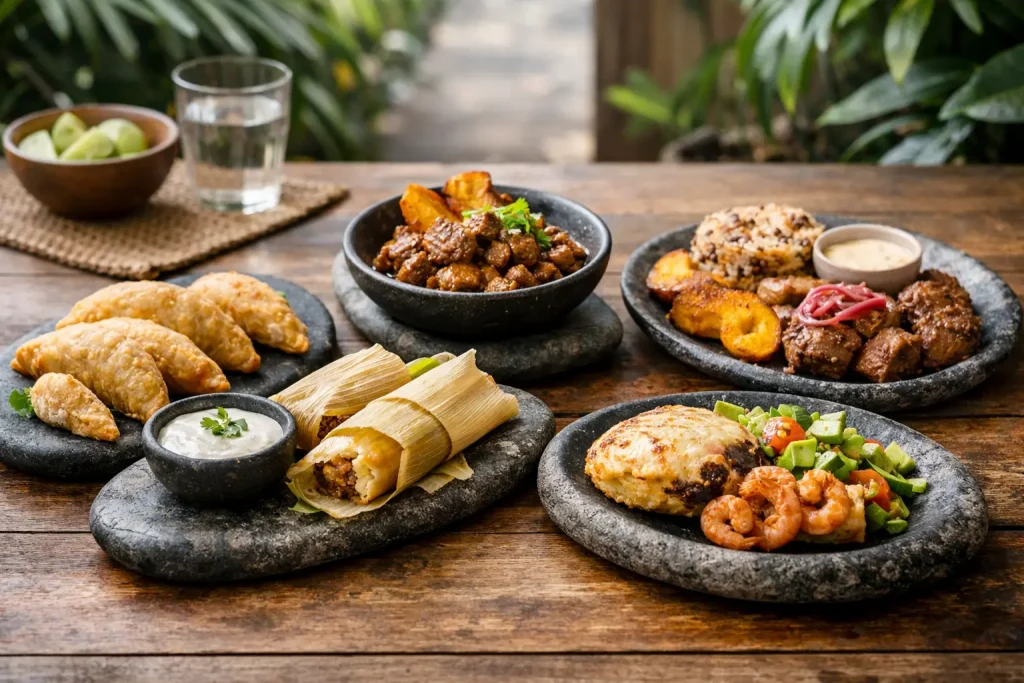
A guide to Latin comfort foods begins with a simple truth: comfort is rarely about a single ingredient. It lives in the sound of a tortilla meeting a hot comal, the perfume of garlic softening in oil, a pot of beans simmering patiently, and a sauce that brings heat, acidity, and memory to the table. Across Latin America, the dishes may look different from one country to the next, but their purpose often feels familiar – to gather people, make use of what is close at hand, and turn care into something you can taste.
For diners who know Latin cuisine only through a narrow set of familiar menu items, the range can be a revelation. Honduran baleadas, Peruvian ají-based dishes, Mexican stews, Spanish-influenced rice preparations, and countless regional specialties each carry their own history. They deserve to be enjoyed on their own terms, not blended into one generic category.
What Makes a Food Comforting?
Comfort foods are often humble in origin, though they can be prepared with extraordinary technique. They tend to rely on satisfying contrasts: crisp edges and soft centers, rich broths cut with lime, warm starches paired with bright herbs, or slow-cooked meats alongside fresh salsa. The food is filling, yes, but its deeper pleasure is emotional. A familiar aroma can recall a family kitchen even when the dish is served in a refined dining room.
In Latin cooking, comfort often begins with foundational ingredients. Corn, beans, rice, plantains, chiles, cassava, potatoes, tomatoes, citrus, cheese, and herbs appear in different forms across regions. Their preparation is where identity emerges. Corn may become a thick arepa, a tender tamal, a hand-pressed tortilla, or a soft pupusa-like masa cake. Beans might be brothy, mashed, fried, or folded into a dough. No single preparation tells the whole story.
The Essential Ingredients Behind Latin Comfort Foods
Masa: More Than a Dough
Masa is one of the great building blocks of Latin American cooking. Made from corn that has traditionally been treated through nixtamalization, it offers a distinct earthy flavor and a supple texture that ordinary cornmeal cannot fully replicate. It becomes the base for tortillas, tamales, pupusas, arepas, and many other regional forms.
The magic of masa is its versatility. A thin tortilla can cradle grilled meat and salsa, while a thicker masa preparation can feel like an entire meal. Freshly cooked, it carries a gentle toasted aroma and a soft chew that makes even the simplest filling feel generous.
Beans: Patient, Nourishing, and Deeply Regional
Beans are a daily comfort in many Latin households, but calling them a side dish misses their importance. Black beans, red beans, pinto beans, and regional varieties take on character through their seasonings, texture, and time in the pot. Some are cooked until creamy with onion, garlic, and herbs. Others are refried into a rich, spreadable layer for breakfast, lunch, or dinner.
Their appeal is both practical and soulful. Beans provide substance, absorb flavor beautifully, and pair naturally with rice, eggs, cheese, tortillas, or roasted meats. A well-made pot has depth without needing excess complexity.
Plantains: Sweet, Savory, and Transformative
Plantains illustrate how one ingredient can change completely with ripeness. Green plantains are firm and starchy, suited to crisp tostones or savory mash. Ripe plantains become soft and caramel-like when fried or roasted, bringing a gentle sweetness that balances spice, salt, and rich braises.
They are not simply a sweet garnish. In Honduran and Caribbean-influenced cooking especially, plantains can anchor a plate, add texture to a hearty meal, or offer a familiar counterpoint to beans and cheese.
Chiles, Ajíes, and Salsas: Flavor Before Heat
A common misunderstanding is that Latin food is meant to be relentlessly spicy. Heat certainly matters in many traditions, but chiles and ajíes bring much more than intensity. They can be smoky, fruity, grassy, floral, dried, charred, or bright with fresh acidity.
Peruvian ají amarillo, for example, is valued for its sunny color and rounded, fruity warmth. Mexican chiles can lend dark complexity to a mole or a clean, sharp spark to salsa. The best sauces are balanced: they make the rest of the dish more vivid rather than masking it.
Comfort Comes From Technique, Not Just Richness
Many beloved dishes ask for time. A braise becomes tender because it cooks slowly. A stew develops character as aromatics, meat, vegetables, and broth settle into one another. Rice gains its savory foundation before it ever reaches the table. These methods turn affordable, everyday ingredients into food with generosity and depth.
Consider the difference between a rushed plate of rice and one built with a proper sofrito or seasoned base. The latter has layers. It may taste of garlic, peppers, tomato, herbs, stock, and toasted grains, with each element supporting the next. That is the quiet craft behind so many comforting meals.
There is also pleasure in the finishing details. A squeeze of lime can lift a rich soup. Pickled onions can sharpen a slow-cooked pork dish. Crumbled cheese can soften the edge of a chile sauce. Fresh cilantro, avocado, or a spoonful of crema can make a warm, hearty plate feel complete rather than heavy.
A Regional Guide to Latin Comfort Foods
Honduras: Breakfasts That Stay With You
Honduran comfort food is often generous, direct, and beautifully balanced. Baleadas are among the country’s most beloved examples: a warm flour tortilla folded around refried beans, often with cheese and crema, with additions such as egg, avocado, or meat depending on the occasion. The combination is uncomplicated but deeply satisfying when each component is prepared with care.
Honduran cuisine also celebrates soups and hearty plates that feature yuca, plantains, beans, and richly seasoned proteins. These are foods that reward appetite and invite conversation at the table.
Peru: Brightness Meets Depth
Peruvian comfort can be creamy, spicy, tangy, and richly layered all at once. Potatoes, a native treasure of the Andes, appear in countless preparations, while ají peppers bring color and character. Dishes such as ají de gallina show how bread, nuts, dairy, chile, and tender chicken can become a velvety, deeply warming sauce.
Peruvian food often balances its richer elements with freshness. Citrus, herbs, onions, and chiles keep flavors awake. That balance is one reason a dish can feel indulgent without becoming overwhelming.
Mexico: The Everyday Elegance of Corn and Sauce
Mexican comfort food varies enormously by region, but corn-based dishes and long-simmered sauces remain central. Tamales, pozole, enchiladas, and braised meats all demonstrate the importance of texture and sauce. A bowl of pozole is not merely soup. It is a ritual of broth, hominy, garnishes, crunch, and personal adjustment at the table.
The key is restraint as much as abundance. Garnishes should add contrast, not clutter. A great salsa should reveal the flavor of roasted tomatoes or chiles, not simply announce its heat.
How to Order With Curiosity
When choosing Latin comfort foods, start with what sounds genuinely inviting rather than trying to order the most unfamiliar item on the menu. If you enjoy hearty flavors, look for braises, beans, slow-cooked meats, and rice dishes. If you prefer contrast and brightness, choose plates built around citrus, herbs, fresh salsas, or ají sauces. Ask about the sauce, the chile level, and whether a dish is naturally gluten-free or can be prepared with dietary needs in mind.
It also helps to allow time. Chef-driven comfort food is not designed for speed. Sauces may be made from scratch, proteins may be cooked slowly, and seasonal ingredients can shape what is available. At Catrachos Latin Cuisine, that sense of intention is part of the occasion: heritage provides the foundation, while thoughtful presentation gives each plate a contemporary sense of place.
A comforting meal does not need to be familiar before the first bite. Sometimes it is a new flavor that feels strangely recognizable: warm corn, tender beans, a bright spoonful of salsa, and the welcome reminder that the most memorable food is made to be shared.